
Configuring a MacBook Pro for the Way It Needs to Work
A MacBook Pro can have perfectly functional hardware and still be difficult to use when its software environment is not configured correctly. Applications may open with the wrong permissions, accounts may not synchronize as expected, security settings can interfere with required programs, and system preferences may not match the way the computer is actually being used.
Software configuration brings those individual pieces into a working arrangement. The objective is not simply to install programs, but to make sure macOS, applications, user accounts, services, and necessary settings operate together without unnecessary conflicts.
One Setting Can Affect Another
Software configuration problems are not always isolated to the option where the symptom appears. An application may have the correct preference selected but still behave incorrectly because macOS has restricted a permission, another service is controlling the same function, or an account does not have the access the program expects.
Looking at those relationships helps avoid changing settings at random. The configuration can instead be traced through the parts of macOS and the application that actually influence the required behavior.
A setting can be correct by itself and still produce the wrong result when another part of the configuration prevents it from taking effect.
macOS Can Be Adjusted Around How the Computer Is Used
The default configuration of macOS provides a starting point, but it does not necessarily reflect how every MacBook Pro will be used. A computer dedicated to business applications may need a different arrangement from one used for creative work, communication, general home use, or a combination of several activities.
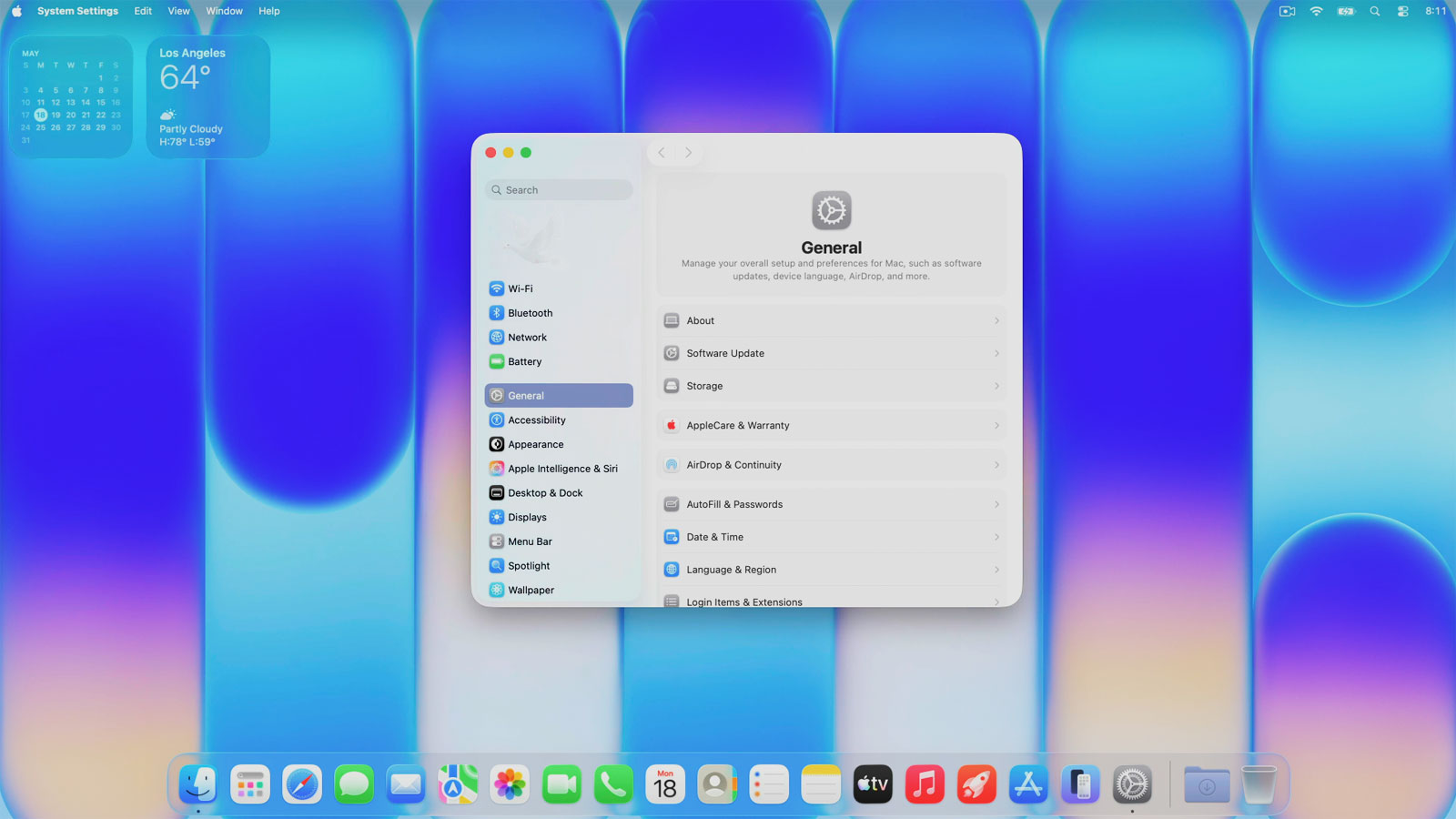
Everyday Behavior
Preferences affecting notifications, startup behavior, displays, appearance, keyboard functions, trackpad behavior, and other frequently used features can be adjusted to make everyday interaction with the MacBook Pro more appropriate for its user.
Privacy and Security
Access controls and privacy settings can be reviewed according to the applications and functions that genuinely require them. The objective is to provide necessary access without enabling permissions indiscriminately.
System Integration
Features involving Apple services, connected devices, synchronization, software behavior, and other macOS functions can be configured so the different parts of the working environment cooperate as intended.
Installing an Application Is Only the Beginning
Software can be installed successfully and still not be ready for productive use. Applications may need preferences adjusted, accounts connected, storage locations selected, permissions approved, or supporting features enabled before they behave the way the user expects.
Configuration becomes particularly important when several applications participate in the same workflow. One program may create a file that another needs to open, cloud storage may determine where documents are kept, or an application may depend on a background component to synchronize information. Those relationships need to make sense together rather than being configured independently.
Existing preferences also matter when correcting an application that has already been in use. Changing everything back to defaults can eliminate useful settings along with the problematic ones. A more deliberate approach preserves configurations that are working while concentrating on the behavior that needs correction.
The useful configuration is the one that supports the actual workflow, not simply the one that leaves every application at its factory defaults.
What Application Setup May Involve
Not every program requires every adjustment. The configuration should follow what the particular application needs and how it will actually be used.
The Right Account Structure Keeps Settings in the Right Place
A MacBook Pro used by one person may need only a straightforward account arrangement, while a shared, family, or work computer can benefit from clearer separation between users. Account structure affects more than signing in. It can influence personal preferences, application data, file access, administrative privileges, and which changes a user is permitted to make.
Account configuration works best when access matches responsibility and each user can work without unnecessarily altering another user’s environment.
Good Configuration Should Remain Consistent
A setting that works only until the next restart is not a finished configuration. Some software behavior depends on what happens when macOS starts, when the user signs in, or when background services become active again.
Restarting and returning to the normal working environment can reveal settings that were temporary, applications that no longer launch as expected, or services that fail to reconnect automatically.
The objective is a MacBook Pro that returns to the intended working state without requiring the same adjustments every time it is started.
Restart
Restarting macOS provides a clean opportunity to see whether configuration changes persist and whether required software returns without depending on a temporary state left from the previous session.
Sign In
After the user account loads, login items, account-specific preferences, synchronization functions, and applications that depend on the user environment can be checked in the state in which they will normally operate.
Use
The configured applications and system functions can then be used normally to confirm that the intended behavior remains consistent beyond the initial setup and continues as different parts of the workflow are used.
Not Every Setting Needs to Be Changed
Correcting a software configuration does not require rebuilding every preference on the MacBook Pro. When part of the existing environment already works properly, preserving those settings can be just as important as changing the ones responsible for a problem. The work can remain focused on what actually needs adjustment.
Existing application preferences, account arrangements, file locations, and system settings may already support the user’s normal workflow. Leaving those working configurations intact avoids creating unrelated changes while a specific problem is being corrected.
The adjustment can be limited to the setting, permission, application behavior, or system relationship connected to the intended result. This keeps the configuration understandable and reduces the chance that solving one problem introduces another somewhere else.
After the change is made, the affected function can be tested in the way it will actually be used. If the expected behavior is restored while the rest of the software environment continues operating normally, the configuration has accomplished its purpose without unnecessary disruption.
A precise configuration changes what needs attention while leaving successful settings alone.
Turn the MacBook Pro Into a Properly Configured Working Environment
Software configuration becomes useful when the computer behaves consistently around the person using it. Applications should have the access they require, accounts should operate with appropriate privileges, preferred settings should remain in place, and the different parts of macOS should work together without requiring repeated corrections.
MacBook Pro software configuration is available in Miami for computers that need an existing setup corrected, a working environment organized, or particular software behavior configured around the user’s requirements. The work can remain focused on the settings and applications that matter rather than changing parts of the system that are already functioning properly.
This can also be useful after software changes, application installation, account adjustments, or other situations where the MacBook Pro is operational but its software environment does not yet behave the way it needs to.
Software That Works Around Your Needs
MacBook Pros located within Miami can be picked up and returned after configuration without an additional collection or delivery fee. Service outside Miami can also be arranged when needed, with travel cost determined by the additional distance.