
Microsoldering Repair for Circuit Board and Component Failures
Microsoldering addresses failures that exist directly on the circuit board, where the problem cannot be resolved by simply replacing an external part or complete assembly.
Board-level problems can involve damaged connectors, shorted components, broken pads or traces, failed power circuitry, corrosion, and extremely small surface-mounted components. Finding the fault requires electrical testing and careful examination of the affected circuit before repair work begins.
Once the failure is isolated, microsoldering techniques can be used to remove damaged components, restore connections, repair circuit paths, and install replacement parts with the precision required for densely populated electronic boards.
The objective is not simply to make a solder joint. It is to identify what failed, understand how that failure affects the circuit, and perform the necessary board-level work without disturbing surrounding components.
Circuit-Level Diagnosis Comes Before the Repair
A board-level repair should begin by determining where the electrical problem actually exists. A device may show no power, fail to charge, behave intermittently, or stop functioning because a single component or circuit line is preventing the board from operating normally.
Measurements taken directly from the board can reveal abnormal resistance, shorts to ground, missing voltages, and other conditions that help narrow the problem to a particular circuit. This allows troubleshooting to follow the electrical evidence instead of relying only on the symptoms shown by the device.
Once the affected circuit has been identified, individual components and connections can be examined more closely to determine what needs to be repaired or replaced.
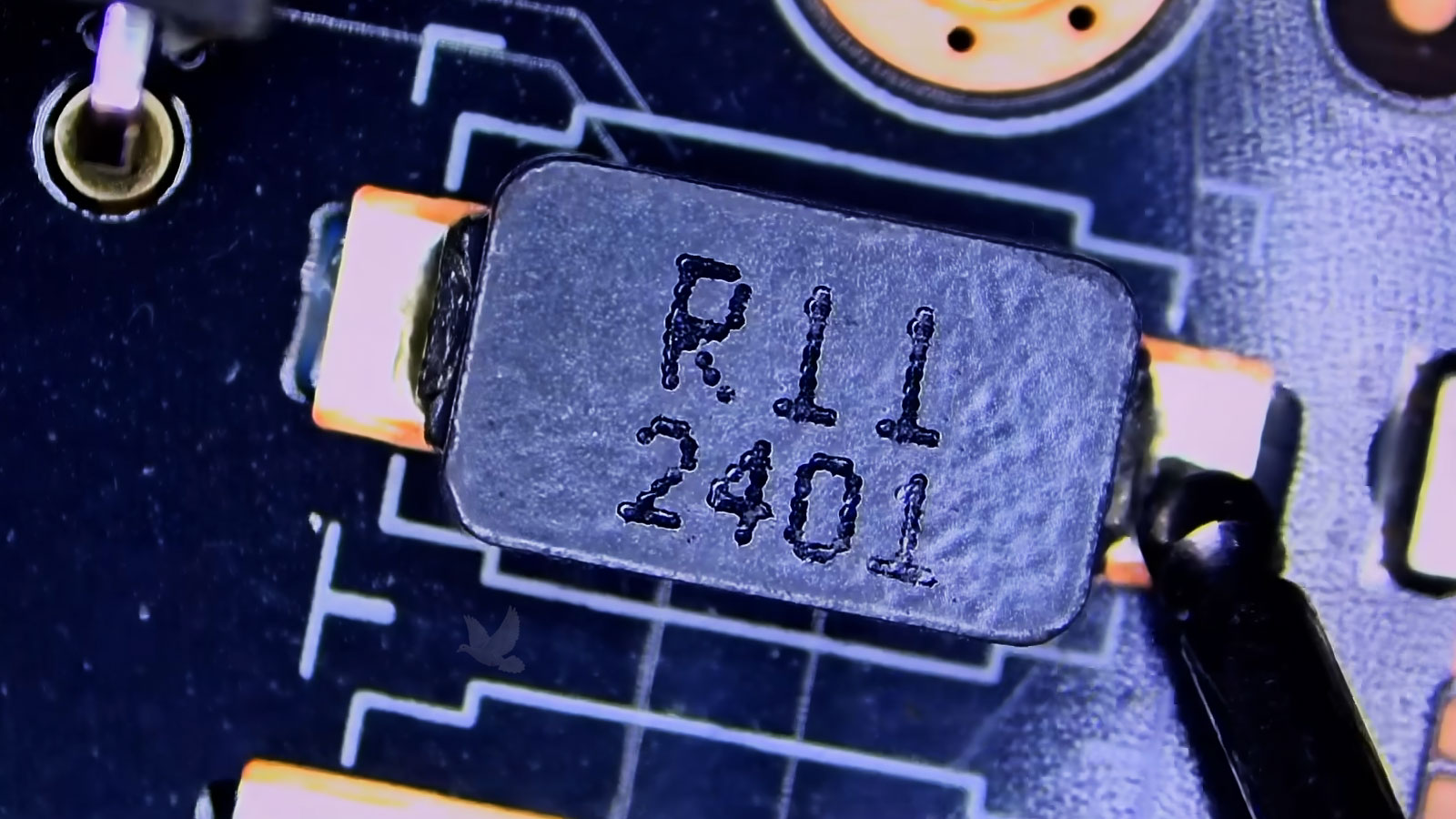
Circuit Board Problems That Can Be Repaired With Microsoldering
Microsoldering can address many board-level failures that involve individual components or damaged electrical connections. The exact repair depends on what has failed and whether the surrounding circuitry remains in a condition that can be restored.
Working With Components Measured in Millimeters
Modern circuit boards place a large number of components into very small areas. Resistors, capacitors, MOSFETs, integrated circuits, connectors, and other surface-mounted parts may sit only millimeters apart, with their electrical connections occupying an even smaller area.
Microsoldering provides the control needed to work within these densely populated sections of a board. Heat must be concentrated where it is needed, solder must be applied carefully, and neighboring components must remain undisturbed while the defective part is removed or a new connection is established.
The condition of the board also matters. Pads can lift, traces can separate, and excessive heat can damage components that were not originally involved in the failure. A successful repair therefore depends on controlling the work at every stage rather than simply applying enough heat to remove and replace a part.
What Precision Helps Protect
The smaller and more densely populated the repair area becomes, the more important controlled heat, accurate positioning, and careful handling are to preserving the surrounding circuitry.
When the Circuit Board Itself Is Damaged
Not every microsoldering repair begins with an electronically failed component. Connectors can be torn from a board, pads can separate from the surface, traces can break, and corrosion can physically damage the conductive paths that components depend on.
When this happens, replacing the affected part alone may not restore the circuit. The connections underneath and around it must also be evaluated.
Lifted or Missing Pads
A solder pad provides the electrical and physical connection between a component and the circuit board. If a pad has lifted or been completely removed, the original connection may need to be reconstructed before the component can function correctly.
Broken Traces and Circuit Paths
Fine copper traces carry signals and power between different areas of the board. A damaged trace can interrupt that path even when the components on both sides remain functional. Repair may involve restoring continuity between the appropriate points of the circuit.
Corrosion and Previous Board Damage
Liquid exposure, corrosion, excessive heat, or earlier repair attempts can damage more than the visibly affected component. The surrounding area must be examined for weakened connections, missing pads, damaged traces, and other conditions that could prevent a lasting repair.
Removing and Replacing Board-Level Components
Once testing has identified a defective component, the next step may involve removing it from the circuit board and installing a replacement. This process requires more than matching the physical size of the part. Its orientation, electrical connections, surrounding components, and condition of the board underneath all have to be considered during the repair.
Board-Level Power and Charging Circuit Repairs
Power and charging problems are not always caused by the battery, charger, or external power connector. The failure can exist deeper within the circuit board, where multiple components regulate, distribute, and control the power required for the device to operate.
A shorted capacitor, failed MOSFET, damaged charging component, or fault within a power rail can interrupt this process. Depending on where the failure occurs, the device may show no signs of power, fail to charge, shut down unexpectedly, or receive power without completing its normal startup sequence.
Board-level testing helps determine whether the expected voltages are present and where power stops progressing through the circuit. Once the defective area has been isolated, the affected component or connection can be addressed through microsoldering rather than assuming that an entire board must be replaced.
Board-Level Repair After Liquid and Corrosion Damage
Liquid exposure can affect a circuit board long after the surface appears dry. Moisture and contamination can begin corrosion around components, solder joints, pads, and traces, eventually changing electrical characteristics or completely interrupting connections.
Microsoldering becomes necessary when the resulting damage reaches individual components or the conductive paths beneath them.
Corroded Components
Corrosion can develop around component terminals and underneath small surface-mounted parts. Components that have been electrically or physically compromised may need to be removed so the affected area can be examined and repaired.
Damaged Pads and Traces
Corrosion can consume the conductive material around pads and traces, creating weak or completely open connections. Restoring the circuit may require repairing these paths before a replacement component can be installed reliably.
Hidden Damage
Visible corrosion may represent only part of the affected area. Damage can extend beneath components or into nearby circuitry, making inspection and electrical testing important before deciding which board-level repairs are required.
The extent of liquid damage determines what can be repaired. The objective is to identify and address the electrically affected areas rather than assuming that cleaning visible corrosion alone has corrected the underlying board failure.
Port and Connector Microsoldering Repairs
Board-mounted ports and connectors endure repeated physical stress. When the damage reaches their solder connections, mounting points, pads, or surrounding circuitry, replacing the external cable or accessory will not correct the problem.
Broken Solder Connections
Repeated insertion, removal, movement, or pressure can weaken the solder joints securing a connector to the board. Cracked or separated connections can cause intermittent operation or prevent the port from functioning completely.
Damaged Pins and Connectors
Bent, broken, burned, or internally damaged connector contacts may require removal of the original connector and installation of a replacement. The board underneath must remain intact enough to provide the required electrical and mechanical connections.
Torn Pads and Mounting Points
A connector that has been pulled or forced away from the board can take solder pads or mounting points with it. In these cases, the repair may require reconstructing damaged connections and restoring the appropriate circuit paths before the replacement connector can be secured.
Because ports combine electrical connections with physical attachment to the circuit board, a reliable repair must address both. Replacing the connector without correcting damage underneath it can leave the original board-level failure unresolved.
Repairing the Failure Instead of Replacing the Entire Board
A circuit-board failure does not necessarily mean that every part of the board has failed. When the problem can be isolated to a specific component, connection, or damaged circuit area, microsoldering may allow that failure to be addressed directly.
When a Board-Level Repair Is Possible
A localized failure may involve a shorted component, damaged connector, broken trace, lifted pad, failed power component, or another identifiable area of the circuit. If the surrounding board remains serviceable and the damaged area can be accessed, repairing that specific failure may be practical.
This approach keeps the work concentrated on the circuitry responsible for the problem rather than replacing functional portions of the device unnecessarily.
When Damage May Be Too Extensive
Not every damaged circuit board is a suitable candidate for microsoldering. Severe corrosion, extensive burned areas, internal board damage, missing circuitry, or widespread physical destruction can make a reliable repair impractical.
The condition of the affected area has to be evaluated before determining whether component-level repair is appropriate. In some cases, the extent of the damage means that board replacement is the more reasonable solution.
The purpose of microsoldering is not to repair a board at any cost. It is to determine whether a specific board-level failure can be corrected reliably and perform that repair when the condition of the circuitry makes it practical.
Microsoldering Frequently Asked Questions
Microsoldering involves working directly with circuit-board components and connections, so whether a repair is possible depends heavily on the type and extent of the damage. These answers cover some of the most common questions about board-level repair.
Microsoldering is circuit-board repair performed on very small electronic components, solder connections, pads, traces, connectors, and other board-level circuitry using specialized equipment and precise soldering techniques.
Microsoldering can be used for problems such as shorted or failed components, damaged connectors, broken solder joints, lifted pads, damaged traces, power and charging circuit faults, and certain types of corrosion or liquid-related board damage.
In many cases, yes. The source of the short first has to be isolated through electrical testing. If the short is caused by an identifiable component or repairable area of the circuit, the defective part or connection may be addressed through board-level repair.
When a port or connector is soldered directly to the circuit board, microsoldering may be required to replace it. If pads, traces, or mounting points were also damaged, those connections may need to be repaired as part of the work.
It depends on the extent of the damage. Liquid exposure can cause corrosion around components, pads, and traces. Localized damage may be repairable, while extensive corrosion or deterioration across a large portion of the board can make a reliable repair impractical.
No. Some repairs involve restoring a broken connection, repairing a trace, reconstructing a damaged pad, or correcting another circuit-board problem without replacing the primary component.
No. The possibility of repair depends on the condition of the board and the extent of the failure. Severe burning, widespread corrosion, missing board material, extensive physical damage, or other major deterioration can make component-level repair impractical.
The board is diagnosed using electrical measurements and inspection to narrow the failure to the affected circuit, component, or connection. The required microsoldering work is determined from those findings rather than from the device’s symptoms alone.
Need a Circuit Board Repair?
If your device has a board-level failure involving a shorted component, damaged connector, broken circuit path, power problem, corrosion, or another component-level fault, the next step is to determine what has actually failed and whether the affected circuitry can be repaired.
Microsoldering begins with the board itself by identifying the problem, evaluating the condition of the affected area, and determining the appropriate repair based on what the circuit requires.