
Component-Level Motherboard Repair
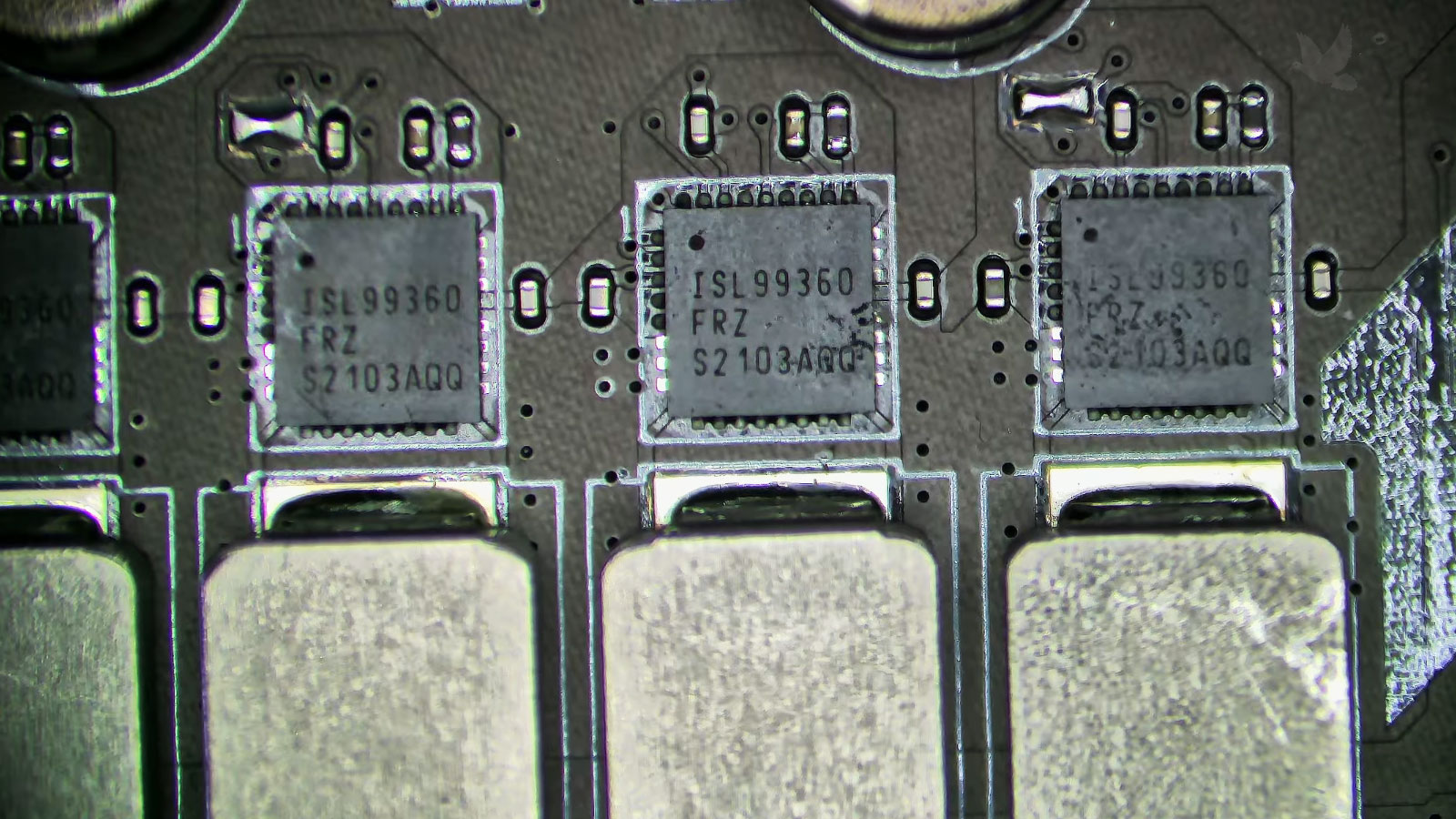
Motherboard faults can originate in individual components and circuits rather than requiring replacement of the entire board. Component-level repair focuses on locating the failed area, testing the affected circuit, and determining which part of the board is preventing normal operation.
A fault may involve power regulation, a shorted component, damaged circuitry, failed connections, or another board-level condition. Testing is used to narrow the problem to the affected area instead of assuming that the motherboard itself must automatically be discarded.
Electrical Testing
Voltage, resistance, continuity, and short-circuit measurements can help narrow a motherboard fault to a particular circuit or area of the board.
Finding the Source of a Motherboard Failure
A motherboard contains many interconnected circuits, and the component responsible for a failure may not show obvious physical damage. Diagnosis therefore begins with the behavior of the board and the electrical conditions present around the suspected area.
Measurements taken at different points can help determine whether expected voltages are present, whether a power rail is being pulled down, or whether a component is behaving abnormally within its circuit. The objective is to progressively narrow the search until the defective area can be identified.
Visible evidence such as overheating, corrosion, damaged traces, burned components, or previous repair work can provide additional direction, but appearance alone does not establish that a particular component is responsible. Electrical testing is what helps separate visible damage from the actual cause of the failure.
Component Identification
Once testing isolates the affected circuit, individual components can be evaluated to determine which part has failed and whether board-level replacement is appropriate.
Replacing a Failed Motherboard Component
Once testing identifies a defective component and the surrounding circuit supports the diagnosis, the repair can move from fault isolation to physical board work. The failed part must be removed without unnecessarily disturbing nearby components, pads, traces, or connections on the motherboard.
When a Motherboard Can Be Repaired Instead of Replaced
A motherboard failure does not automatically require replacement of the complete board. When the fault can be isolated to a repairable circuit, damaged component, connection, or localized area, component-level work may allow the existing motherboard to remain in service.
Whether that approach is appropriate depends on what has failed and the condition of the surrounding board. A defective electronic component is a very different situation from extensive physical damage affecting multiple layers, large sections of circuitry, or areas that can no longer provide reliable electrical connections.
Diagnosis therefore does more than identify the source of the problem. It also helps determine whether repairing the affected area is technically reasonable or whether the condition of the motherboard makes another solution more appropriate.
A Repair Is Not Finished When the New Component Is Installed
Replacing the failed component addresses the physical fault that was identified, but the motherboard still needs to be checked afterward. The repaired circuit should be examined again before normal operation is assumed, particularly when the original failure involved a short circuit, abnormal voltage, or another electrical condition that could affect surrounding components.
Initial checks can confirm that the condition found during diagnosis is no longer present and that the repaired area has the expected electrical behavior. The motherboard can then be powered and observed for the startup behavior or operating condition that originally led to the repair.
Functional testing provides the final comparison between the motherboard before and after the work. The purpose is not simply to confirm that power reaches the board, but to determine whether the original motherboard fault has actually been corrected and whether the repaired system can operate normally.
Electrical Check
Confirm that the electrical condition identified during diagnosis has changed after the repair.
Power-Up Test
Power the motherboard and observe whether it progresses beyond the behavior that originally indicated the fault.
Functional Verification
Check the repaired system under operation to determine whether the original motherboard problem has been corrected.
Repair Should Be Based on the Condition of the Board
Finding a motherboard fault does not automatically mean that component-level repair should proceed. The condition of the affected circuit and the surrounding board must also support a repair that can be performed properly.
Localized component failures can present a very different repair situation from extensive board damage. Burned or missing pads, damaged traces, severe corrosion, previous unsuccessful repair work, or damage extending beyond the originally identified component can all affect what is technically reasonable.
The result of diagnosis therefore provides two important answers: what has failed and whether the condition found on the motherboard supports proceeding with component-level repair. That distinction prevents replacement of a single part from being treated as the correct solution when the surrounding board condition indicates otherwise.
Start With the Motherboard Fault
A motherboard does not need to arrive with the failed component already identified. If the board has a power, startup, stability, or other motherboard-level problem, testing can begin with the symptoms and electrical condition of the board to locate the affected area and determine whether component-level repair is appropriate.