
When a Drive Begins to Fail
Hard drive problems can appear as unusually slow file access, startup difficulties, clicking or abnormal sounds, corrupted files, repeated disk errors, or a drive that is detected inconsistently.
These symptoms deserve evaluation because continuing to use a deteriorating drive can make the computer less reliable and may place important files at greater risk.
Replacing a Failing or Outdated Desktop Drive
A desktop storage drive may need replacement because it is failing, no longer dependable, too small for current needs, or significantly limiting the performance of an otherwise useful computer.
Choosing the replacement should consider more than whether a new drive physically fits. Drive type, capacity, interface, system compatibility, existing data, and the condition of the original storage all affect how the replacement should be approached.
When Replacement Is an Upgrade
A functioning mechanical hard drive can also be replaced when faster storage would noticeably improve startup, application loading, file access, and general responsiveness.
In those situations, replacement is not about correcting a failed drive. It is about determining whether a newer storage option provides a worthwhile improvement for the computer and the way it is being used.
The Right Replacement Depends on the Computer
Desktop computers can support different types of storage depending on the motherboard, available connections, physical space, and age of the system. A replacement therefore should not be selected only by capacity or advertised speed.
The existing drive and the available interfaces provide a starting point for determining whether the computer should receive another traditional hard drive, a SATA SSD, an M.2 SSD, or another compatible storage configuration.
Replacing the Drive Does Not Automatically Mean Losing the Files
When the original drive is still readable, documents, photos, application data, and other important files may be transferred before the old storage device is removed from regular use.
The condition of the drive matters. A healthy drive being replaced for additional capacity or better performance presents a different situation from one that is producing errors, disconnecting, or becoming increasingly difficult to read.
If the original storage is unstable, protecting accessible data may need to take priority over repeatedly attempting to copy everything at once.
What Should Be Considered Before Removal
Making these decisions before removing the original storage helps separate the physical replacement from the data and system work that may also be required.
What Happens After the New Drive Is Installed
A new storage device does not automatically return the desktop to the same working condition it was in before replacement. What happens next depends on why the drive was changed, the condition of the original storage, and whether the existing Windows installation should be preserved.
When the original drive is healthy enough and the existing installation is worth preserving, its contents may be transferred to the replacement storage.
This can retain Windows, user files, settings, and installed programs while moving the system onto the new drive. Before doing so, the condition of the original storage should be considered because transferring an existing installation is different from recovering information from a deteriorating drive.
The new storage can be prepared with a clean Windows installation while accessible personal files from the previous drive are handled separately. Drivers, updates, applications, and user settings may then need to be restored as appropriate.
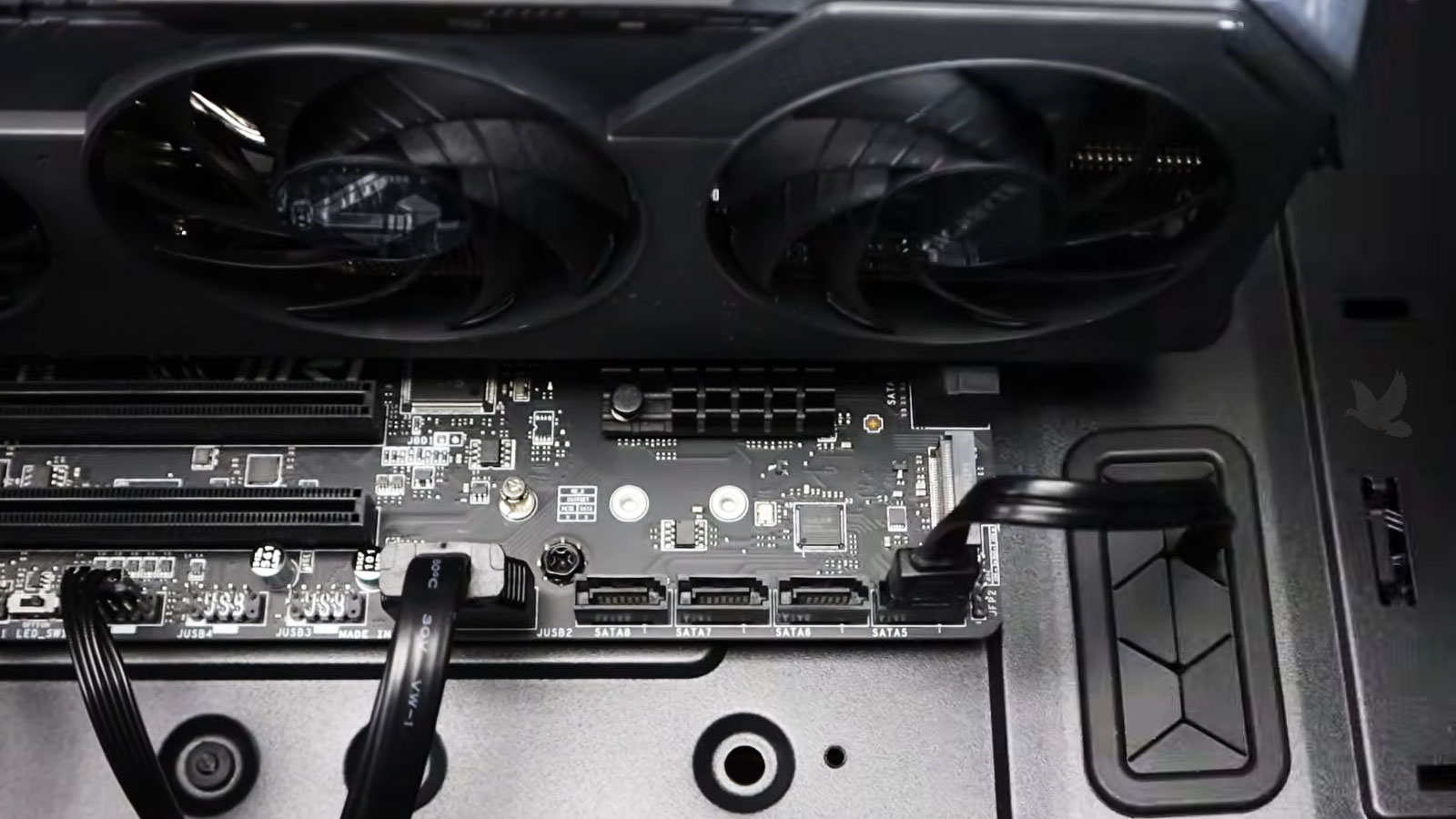
The additional storage can then be prepared for documents, photos, applications, backups, large files, or other uses while Windows continues operating from the original drive.
The Condition of the Old Drive Changes the Approach
Replacing a healthy drive for greater capacity or better performance is very different from working with storage that is already producing errors or becoming unreliable. The condition of the original drive can affect how much should be done with it before removal and how cautiously its remaining data should be handled.
Drive Problems Do Not Always Mean the Same Thing
Symptoms associated with storage can vary considerably. Some indicate that the drive itself deserves closer attention, while others may also involve connections, Windows, power, or another part of the computer. Comparing the behavior with the surrounding conditions helps determine what should be checked before assuming replacement is the answer.
| What Is Happening | What May Need to Be Checked |
|---|---|
| The Drive Is Not Detected | SATA connections, power connection, motherboard detection, BIOS settings, and the condition of the drive itself. |
| Files Open Very Slowly | Drive health, read performance, available storage space, file system condition, and whether the slowdown is isolated to that device. |
| Clicking or Abnormal Sounds | Whether the sound originates from the hard drive and whether continued operation could place accessible data at additional risk. |
| Windows Will Not Start | Drive detection, storage health, Windows startup files, file system condition, and whether the failure is actually related to the drive. |
| Disk Errors Keep Returning | Drive health, bad sectors, file system errors, connections, and whether the errors continue after other possible causes are eliminated. |
| The Computer Feels Generally Slow | Storage performance, drive health, memory use, background activity, Windows condition, and whether the existing drive is simply limiting an otherwise functional system. |
A Replacement Drive Should Match the Reason for Changing It
The best storage choice is not necessarily the largest or fastest option available. The reason for replacing the drive, the capabilities of the desktop, required capacity, and how the computer is used can all influence which replacement makes practical sense.
Replace a Failed Drive
The existing storage has become unreliable or can no longer be used normally.Restore Reliable Storage
The replacement should provide appropriate capacity and compatibility while addressing any data or operating system work made necessary by the failed drive.
Improve Performance
An older mechanical drive is functioning, but its speed is limiting everyday responsiveness.Consider Solid State Storage
A compatible SSD can substantially improve startup, application loading, and file access without requiring the entire desktop to be replaced.
Increase Capacity
The existing storage no longer provides enough room for files, applications, or other data.Plan for Current and Future Space
The replacement can provide additional capacity while considering performance, compatibility, available connections, and whether the original drive will remain in the computer.
The Replacement Should Be Verified Before the Job Is Finished
A newly installed drive should be recognized correctly and operate normally with the rest of the desktop. A few final checks can confirm that the storage, operating system, transferred information, and general computer behavior are working as expected.
A New Drive Should Solve the Right Problem
Replacing desktop storage can restore reliability after a failure, improve performance when an older drive has become a limitation, or provide additional capacity when more space is needed. The important part is determining what the computer actually requires before choosing the replacement.
The condition of the original drive, compatibility of the new storage, existing data, Windows installation, and final system operation all contribute to a successful replacement rather than treating the job as simply removing one component and installing another.
Have the Desktop Storage Evaluated
Hard drive and SSD replacement service is available for desktops with failing storage, disk errors, startup problems, insufficient capacity, slow mechanical drives, and systems being upgraded to solid state storage.
The existing drive and desktop can be evaluated to determine an appropriate replacement and what should happen with the operating system and accessible data.