
When a MacBook Air Needs a Different Internal Drive
A MacBook Air with a removable internal SSD provides an important advantage when the original storage device fails or no longer provides enough capacity. Instead of treating the storage as a permanent part of the logic board, compatible models allow the drive itself to be removed and replaced.
Replacement may become necessary after the SSD stops being detected, develops persistent read or write problems, prevents normal startup, or can no longer be relied upon to store data consistently. A working drive may also be replaced when additional internal capacity is the objective rather than a hardware failure.
The reason for changing the drive matters because replacement is only one part of the job. A failed SSD, a capacity upgrade, and a drive containing important recoverable information each create different considerations before the original storage is removed.
Before removing a functioning drive for additional capacity, its contents and the intended destination of that data should already be considered. When the original SSD has failed, the condition of that drive becomes part of the replacement decision.
The Reason for Replacement Changes the Process
A removable SSD makes replacement physically possible, but the condition of the existing drive determines what deserves attention before it comes out. A healthy drive being replaced for additional space presents a very different situation from one that is unstable, inaccessible, or no longer detected.
When the Existing SSD Is Failing
An SSD that is still partially accessible can create a limited opportunity to preserve important information before its condition becomes worse. Repeated startup attempts, unnecessary writes, or reinstalling macOS without understanding the state of the drive may change what remains accessible.
A completely undetected SSD presents a different situation. At that point, it becomes important to establish whether the drive itself has stopped responding or whether the MacBook Air has another problem preventing communication with storage.
The distinction matters because installing another SSD may restore usable internal storage, but it does not automatically address information remaining on the original device. The condition and importance of that data should be considered separately before the old drive is set aside.
When the Existing SSD Still Works
A functioning removable SSD can be replaced simply because its capacity has become restrictive. Applications, photographs, working files, local backups, and macOS itself can gradually leave too little free space for comfortable everyday use.
In this situation, the objective is not to diagnose a failed drive. The important considerations become compatibility, the capacity of the replacement SSD, and what should happen to the files and system environment already stored on the original device.
Planning those details before changing the hardware can make the transition considerably cleaner. The original SSD remains an intact source of data rather than becoming an afterthought once the new storage has already been installed.
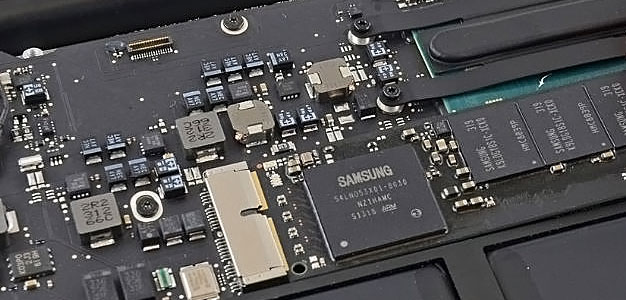
Some MacBook Air Models Allow the SSD to Be Removed
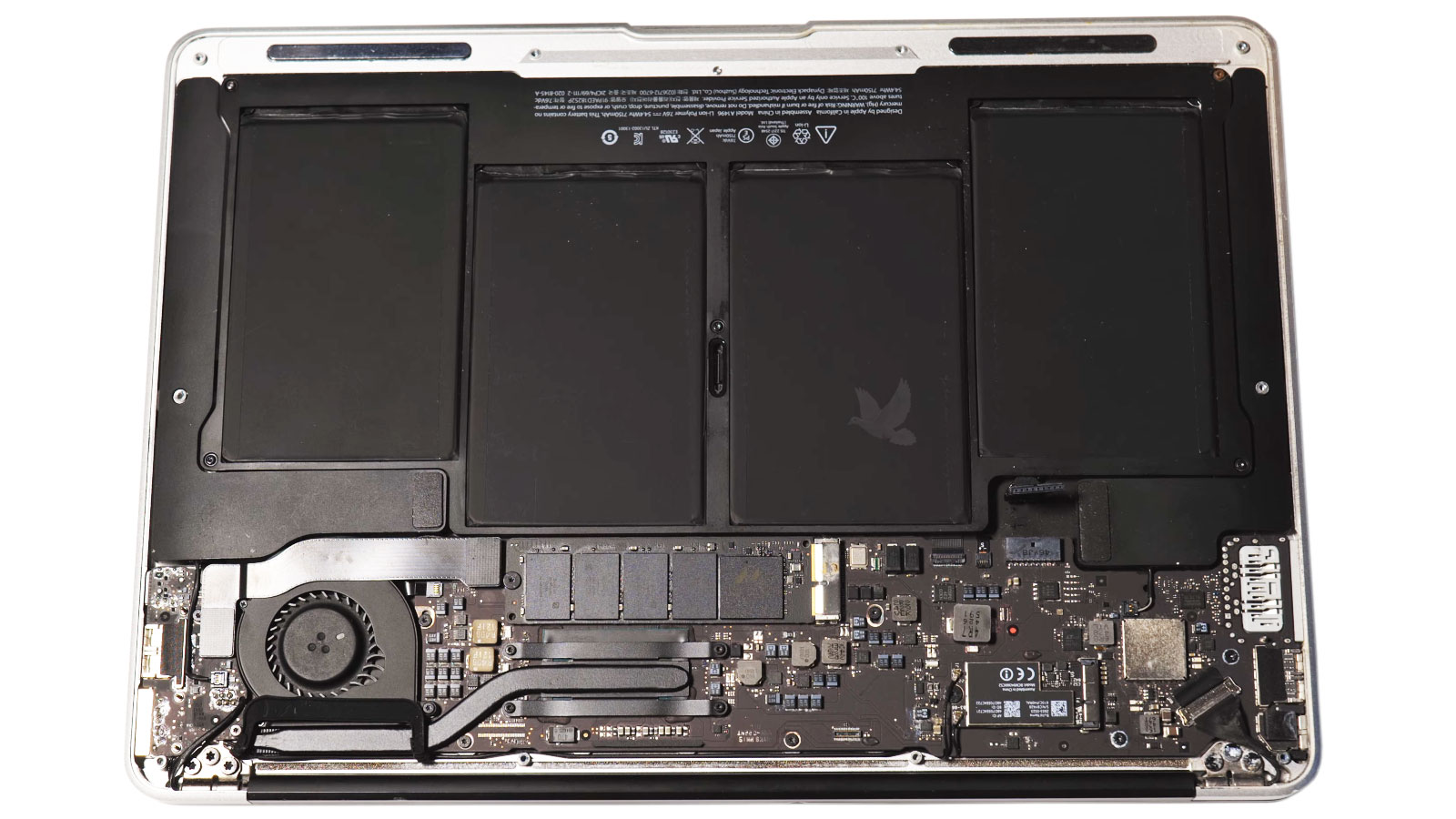
Earlier MacBook Air designs can use a separate solid-state drive that connects directly to the logic board and can be removed from the computer. That physical design makes the storage device an individually replaceable component rather than a permanent part of the board.
The distinction is important because not every MacBook Air is built this way. On models with removable storage, the existing SSD can be taken out and an appropriate replacement installed without replacing the logic board simply to change the internal drive.
Compatibility Goes Beyond Physical Fit
A replacement drive needs to be appropriate for the particular MacBook Air generation and its storage interface. Similar-looking SSD modules are not automatically interchangeable, and selecting a drive simply because it appears to fit can lead to compatibility problems.
Capacity is another part of the decision. When the purpose of replacement is an upgrade rather than a failure, the new SSD should provide enough room for the operating system, applications, working files, and reasonable free space without creating another storage limitation shortly afterward.
Once the correct replacement has been selected, attention can then move to what needs to happen with the original drive’s contents and how the new storage will be prepared for normal use.
Before the Original SSD Is Removed
What happens next depends heavily on the condition of the existing SSD. A drive that is healthy, one that is becoming unreliable, and one being replaced strictly for additional capacity should not automatically be handled in exactly the same way.
Keep the Existing Setup
The current SSD works and the existing environment is worth preserving.Plan What Moves to the New SSD
A functioning original drive creates the possibility of carrying useful information onto the replacement storage rather than rebuilding everything unnecessarily. Files, settings, and the existing system environment can be considered before the drive is removed so the replacement plan accounts for what needs to remain.
Protect What Is Still Accessible
The SSD is unstable, intermittent, or beginning to produce storage errors.Handle an Unstable Drive Carefully
An unreliable SSD changes the priority. Repeated attempts to start macOS or perform unnecessary operations may not be appropriate when important information remains accessible. The condition of the original drive should guide what is attempted before it is removed and replaced.
Start With New Storage
The replacement is intended to provide a clean environment or additional capacity.Decide What Is Worth Carrying Forward
Not every replacement SSD needs to reproduce the old drive exactly. The new storage can begin with a fresh environment when carrying everything forward is unnecessary, while important personal files can be considered separately from applications, settings, and system content that no longer needs to remain.
A New SSD Still Needs a Usable System
Once the replacement drive is installed, the MacBook Air needs more than empty storage. The SSD must be prepared so the computer can recognize it correctly and have a usable macOS environment from which to start.
What happens at this stage depends partly on the reason the original drive was replaced. A clean installation, restoration from an existing source, and migration from a healthy old SSD are different paths toward making the new storage usable.
The objective is not merely to make the new SSD appear inside the computer. It is to leave the replacement storage in a condition that matches how the MacBook Air will actually be used.
What the New Drive May Need
A successful replacement therefore has two sides: the new SSD must be physically appropriate for the MacBook Air, and the storage environment placed on it must be ready for normal operation.
Installation Is Only Part of the Replacement
Once the correct SSD is installed, the MacBook Air still needs to recognize the new storage properly and have a usable environment from which to start. A successful physical installation is therefore an important milestone, but it is not the final confirmation.
The replacement drive should remain consistently available through startup, restart, file access, and ordinary storage activity. When the original SSD was replaced because it behaved intermittently, this verification becomes particularly important because stable operation helps distinguish the corrected storage problem from another condition elsewhere in the computer.
The Result Should Match the Reason for Replacement
When failure prompted the replacement, the new SSD should eliminate the storage behavior associated with the defective drive. When additional capacity was the objective, the expected usable space should be available and the MacBook Air should start from the intended system environment.
Files and applications that were meant to remain should also be accessible from their new location. The finished result is not simply a different piece of hardware inside the computer. It is a MacBook Air that can depend on its replacement SSD as normal internal storage.
The Old SSD Can Affect the Replacement Plan
Removing the original drive does not make its condition irrelevant. What happened to that SSD can determine whether information should be transferred, whether the old system should be left behind, and how much confidence can be placed in anything copied from it.
A replacement is much easier to plan when the condition of the outgoing storage is treated as part of the job rather than something considered after the new drive is already installed.
Give the MacBook Air the Storage It Needs
Before the MacBook Air Comes In
It helps to know whether the existing SSD has failed completely, works intermittently, or is simply being replaced for additional capacity. If important files remain on the original drive, that should also be mentioned before work begins.
Those details help distinguish a straightforward storage upgrade from a replacement involving an unstable drive or information that needs additional consideration.
Service can be arranged in Miami, with free pickup and delivery available within Miami when bringing the MacBook Air in personally is inconvenient.