
Recovering Files Starts With Understanding What Failed
Losing access to a desktop does not necessarily mean the files stored inside it are gone. A computer may stop booting, Windows may become corrupted, a storage device may disappear from the system, or hardware failure may prevent normal access while the data itself remains recoverable.
What happens next matters. Repeated startup attempts, reinstalling the operating system, formatting a drive, or writing new information to damaged storage can change the condition of recoverable data and make the situation more difficult.
Before Trying to Fix the Computer
The Same Missing Files Can Have Very Different Causes
A folder that will not open, a drive that suddenly disappears, and a desktop that no longer reaches Windows can all leave someone unable to reach important data. Although the result may look similar from the outside, the underlying conditions can be very different and should not automatically be approached in the same way.
Logical Access Problems
The storage device may still be functioning while damaged file structures, corrupted partitions, deleted information, operating-system problems, or other logical issues interfere with normal access. In these cases, the obstacle may exist in how the data is organized or recognized rather than in a physically failed drive.
Storage Device Problems
Hard drives and solid-state drives can develop faults that cause slow reading, intermittent detection, inaccessible areas, repeated errors, or complete loss of normal communication. Continuing to operate unstable storage can sometimes place additional stress on a device that is already deteriorating.
Computer Hardware Problems
Sometimes the storage device is not the original failure at all. A damaged motherboard, power problem, failed controller, corrupted BIOS, or another desktop hardware issue can prevent access to a drive that may still contain usable data.
The Computer Does Not Always Need to Work to Reach the Data
When a desktop fails, recovering its files does not always require restoring the entire computer to normal operation first. If the storage device can be accessed independently and its condition permits it, the data may be approached separately from the hardware or software problem that stopped the computer from working.
Keeping those two objectives separate can prevent an unnecessary repair attempt from becoming part of the recovery process.
Removing the Storage Device
A hard drive or SSD can sometimes be accessed outside the original desktop using appropriate equipment. This can bypass a failed motherboard, damaged operating system, startup problem, or another condition that prevents normal access through the computer.
Working From Another System
When the device remains readable, files may be examined or transferred using another computer rather than repeatedly trying to start the failed desktop. The approach depends on the storage interface, device condition, and whether normal reading remains stable.
Keeping Recovery Separate From Repair
Restoring the desktop and recovering its information are two different objectives. A computer may eventually require hardware replacement or operating-system repair, while the immediate priority can remain obtaining important files without making unnecessary changes to the original storage.
The Condition of the Drive Changes the Recovery Approach
Before attempting to copy or recover data, it is important to consider how the storage device is behaving. A drive that reads normally but contains damaged file information presents a different situation from one that disconnects, produces errors, responds extremely slowly, or shows signs of physical failure.
Direct Access Can Bypass a Computer That No Longer Starts
When Windows is corrupted or the desktop has another problem that prevents normal startup, the storage device may still provide a path to the files. Depending on the type of drive and its condition, accessing it independently can avoid making changes to the operating system simply to reach the information stored inside.
This can be especially useful when the priority is transferring documents, photos, business files, or other important information rather than immediately restoring the original installation. SATA hard drives, SATA SSDs, and M.2 storage each require an appropriate method of connection and handling.
Accessing the Original Storage Without Relying on Windows
Connecting the storage device through suitable hardware allows its contents to be evaluated independently of the failed desktop environment. If the device is stable enough to read, important files can be identified and transferred while leaving the original operating-system problem as a separate issue.
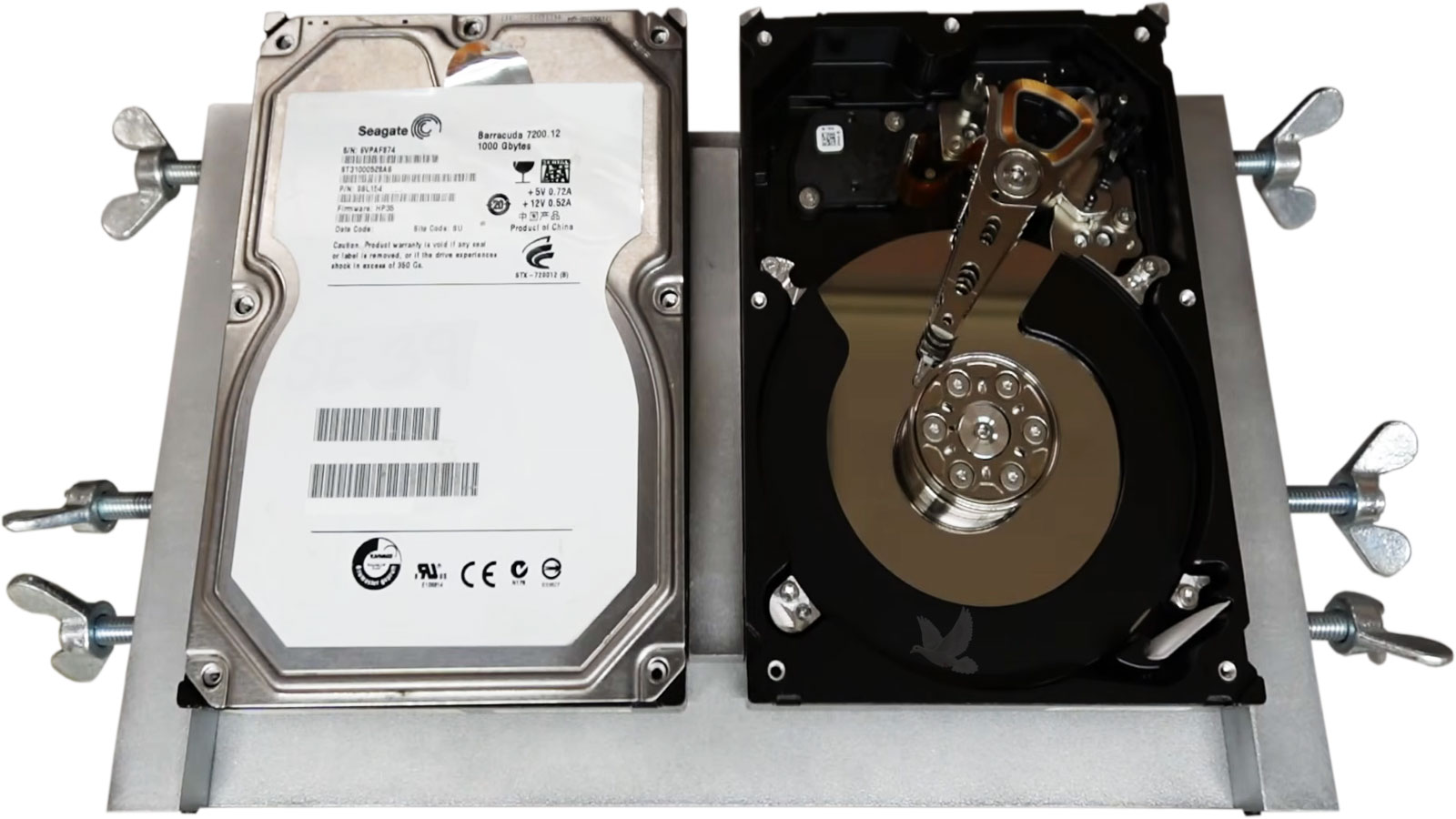
Recovered Files Need a Safe Destination
Getting access to the original storage is only part of the process. Recovered information should be transferred to separate storage so that the source device can remain unchanged as much as practical during the work.
Protect the Original
When recovery is being performed from questionable storage, the original device should not become the destination for repaired, reconstructed, or recovered files. Writing information back to the same storage can alter areas that may still contain recoverable data.
Transfer to Separate Storage
Files that can be recovered are transferred to another suitable storage device rather than returned to the source. The amount of data, the condition of the original drive, and the type of information being recovered can all affect how that transfer is handled.
Verify What Was Recovered
A completed transfer does not automatically mean every file is usable. Important folders and representative files should be checked where practical to confirm that recovered information can actually be opened and that the resulting data set is organized well enough to use.
Some Files Cannot Simply Be Replaced
The Importance of the Data Should Influence the Next Decision
Not every failed drive needs to be approached with the same level of caution. If the information already exists somewhere else, replacing the storage device and restoring from another copy may be more practical than pursuing recovery from the original.
The situation changes when the affected device contains the only available copy of important information. In that case, experimenting with repairs, repeatedly attempting file transfers, initializing an unrecognized disk, or making other changes to the original storage can carry consequences that outweigh the cost of the drive itself.
Know What Matters Before Taking the Next Step
Identifying the most important folders or types of files can also help establish priorities. A recovery does not always have to begin with every file ever stored on the computer; sometimes a relatively small collection of irreplaceable information is what matters most.
When the Files Matter More Than Getting the Desktop Running Again
A computer that will not start can eventually be repaired, rebuilt, or replaced. Unique files are different. When important information exists only on the affected storage device, protecting the possibility of recovery can be more important than immediately returning the desktop to normal operation.
That distinction is especially important when a hard drive or SSD is behaving unpredictably. Knowing when to stop ordinary troubleshooting can prevent a computer problem from becoming a more difficult data-recovery problem.
Determine the Best Recovery Approach
Data recovery service is available for desktop computers with inaccessible files, corrupted operating systems, failed or unstable storage devices, deleted information, and hardware problems that prevent normal access to the original drive.
The first step is to determine what happened, what information needs to be recovered, and the condition of the storage device before deciding on an appropriate approach.