
Working Right Now Is Not the Same as Stable
A computer can start normally, open programs, and work for hours before the same unexplained failure happens again.
A Computer That Keeps Failing Intermittently Is Telling You Something
Some computer problems are obvious because the machine stops working completely. Others are much harder to judge because everything appears normal until the system suddenly freezes, restarts, displays an error, closes a program, or becomes unresponsive.
The time between failures can make the problem seem less important than it is. A computer may operate correctly through light everyday use and fail only during a particular program, heavier workload, file operation, peripheral connection, or seemingly random moment.
Intermittent behavior also does not point automatically to one component. Memory errors, storage problems, unstable power, damaged hardware, drivers, operating-system faults, and other conditions can produce symptoms that appear and disappear.
For computer repair in South Miami, the useful starting point is not simply whether the machine works when it is checked. It is understanding what interrupts otherwise normal operation and what conditions make that interruption happen again.
What Was Happening?
The activity immediately before a failure can help separate apparently random behavior from a repeatable condition.
Was a particular application running? Was a large file being opened or copied? Had additional equipment just been connected? Was the computer performing something more demanding than usual?
Do not turn these into a checklist. Keep them as questions in the paragraph.
The Circumstances Around the Failure Matter
An intermittent problem may not happen on command, but the conditions surrounding several failures can begin to reveal a pattern.
The useful evidence is often found in the similarities between those moments rather than in the fact that the computer happened to crash.
What Happened Next?
What the computer does immediately afterward can provide another part of the story.
Did it restart by itself? Did it remain frozen until power was removed? Was an error displayed? Did the same program reopen normally afterward, or did the machine behave differently following the failure?
It Froze Again
The symptom may look exactly the same as the last time.But Was It the Same Failure?
Similar behavior does not prove that the same component, software process, or system condition caused it.
The Symptom Does Not Identify the Cause by Itself
A frozen screen, unexpected restart, application crash, or system error describes what the user experienced. It does not necessarily identify which part of the computer created that result.
For example, unstable memory can corrupt information while it is being processed. A storage problem can interfere when Windows or an application needs particular data. A hardware fault can interrupt normal operation, while a driver or operating-system problem can produce behavior that looks surprisingly similar.
That is why intermittent failures can become expensive when troubleshooting is based only on the visible symptom. Replacing the first component associated with a crash may change nothing if that component was reacting to a problem somewhere else.
The diagnostic task is therefore to connect the failure with evidence that can distinguish one possible cause from another, rather than assigning a cause simply because a familiar symptom appeared.
The Failure May Leave Evidence Behind
When a computer recovers from a crash, restart, or temporary loss of stability, the visible symptom may disappear. Information created around the time of the failure can remain and provide another way to investigate what happened.
Evidence the System May Record
A Record Is a Clue, Not Automatically the Answer
An error recorded at the time of a failure can help establish what the computer was experiencing, but the component or process named in that record is not necessarily the original cause.
A driver may stop responding because the hardware it communicates with became unstable. Windows may record an unexpected shutdown without explaining what caused the interruption. An application may fail because information it needed was already corrupted somewhere else in the system.
The value comes from comparing recorded information with the failure pattern, the circumstances surrounding it, and what can be reproduced during testing. When several pieces of evidence point in the same direction, an intermittent problem becomes much less dependent on guesswork.
A Computer Can Pass a Test and Still Have an Intermittent Fault
A diagnostic test examines the computer under particular conditions for a particular period of time. Passing that test confirms what happened during the test; it does not prove that an intermittent problem cannot occur under different conditions.
Some faults appear only after repeated operations, during a certain type of activity, or when several parts of the system are being used together. Others may disappear temporarily after the computer has been restarted, disconnected, moved, or left unused.
That makes the testing strategy important. If the original failure appeared during a specific activity or combination of conditions, reproducing something reasonably close to that situation may reveal more than running unrelated tests simply because they are available.
The objective is not to make the computer fail unnecessarily. It is to test the parts and conditions that the existing evidence gives a reason to question.
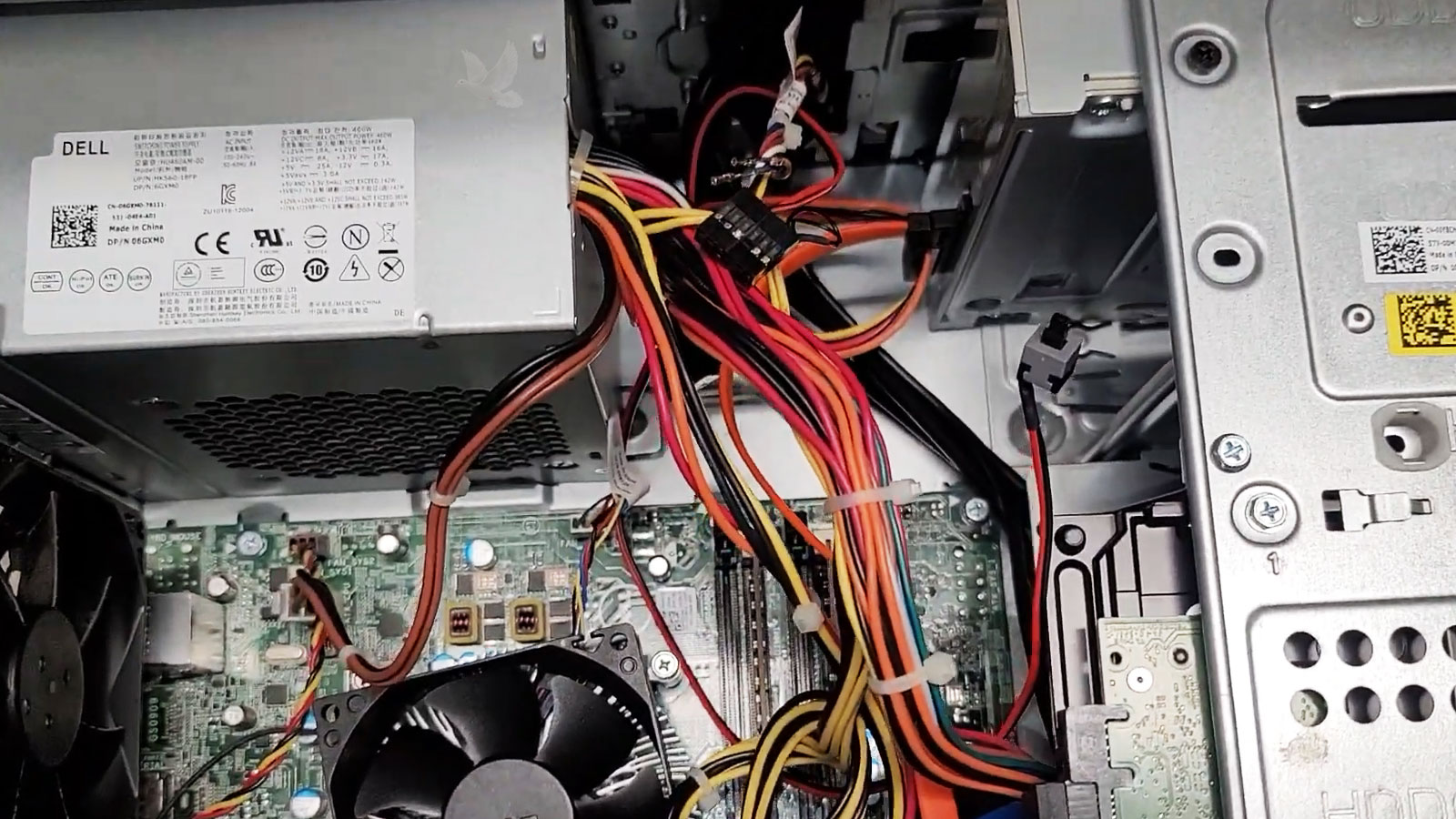
Some Problems Have to Be Observed While the Computer Is Operating
An intermittent failure can be difficult to understand when the computer is examined only after it has stopped misbehaving. In some cases, useful evidence appears while the machine is powered, operating, and approaching the conditions that normally produce the problem.
With the computer accessible, electrical behavior, connections, temperatures, component responses, and other conditions can be observed while the system is actually running. A change that occurs immediately before a freeze, restart, or loss of function may provide information that is no longer visible after the computer has recovered.
This does not mean leaving a computer open simply to wait for something to happen. The observations should follow what is already known about the failure and concentrate on the areas that the existing evidence gives a reason to investigate.
For an intermittent problem, when something changes can be just as important as what eventually fails.
A failure observed as it develops can reveal evidence that disappears after the computer restarts.The Crash May End, but the Interruption Can Leave Something Behind
When a computer freezes or restarts unexpectedly, whatever was happening at that moment may be interrupted before it finishes correctly. The machine can return to normal operation afterward while the consequences of that interruption remain.
A document may not contain the latest changes. A file being written can be left incomplete. An installation or update can stop partway through. An application may reopen with damaged settings or information that no longer matches what it expected to find.
That does not mean every crash causes corruption. It means repeated instability creates opportunities for additional problems that are separate from the fault responsible for the original failure.
Correcting the instability therefore matters not only because the interruption is inconvenient, but because a computer used for important work should be able to complete what it starts.
Interrupted Work
Unsaved changes or an operation already in progress may be lost when the system stops unexpectedly.
Incomplete Operations
File writes, installations, updates, and other processes may be interrupted before every required step has finished.
The Original Failure Becomes the Test
Compare the Behavior, Not Just the Parts
A replaced component, repaired connection, software correction, or configuration change can address something found during diagnosis. The stronger question is whether the computer now behaves differently under the conditions that previously exposed the problem.
If a particular workload repeatedly caused a crash, that workload can be tried again. If failures appeared during certain operations, those operations can be repeated. If the problem required extended use before appearing, a few successful minutes may not provide a meaningful comparison.
This creates a direct relationship between the original complaint and the result of the repair. Instead of relying only on the fact that a component was changed or an error disappeared, the computer is given an opportunity to demonstrate that the behavior which brought it in for service no longer returns.
The most useful post-repair test may be the same situation that exposed the problem before the repair.
Stop Working Around an Unstable Computer
Random freezes, restarts, crashes, and other intermittent failures should not become behaviors you simply learn to tolerate.