
Moving Your Files Without Leaving What Matters Behind
Moving from one laptop or storage device to another involves more than copying whatever happens to be visible on the desktop. Documents, photographs, videos, work folders, browser data, email archives, application files, and information stored in less obvious locations may all be part of what needs to make the transition.
A well-planned transfer starts by identifying what should move, where it currently resides, and how it needs to be organized on the destination. This is especially useful when replacing a laptop, installing new storage, consolidating files, or moving important information before retiring an older computer.
Not Every Transfer Starts the Same Way
Sometimes both computers operate normally and the information can move directly between them. In other situations, only the original drive is available, the replacement laptop is already in use, or the old system is no longer dependable enough to remain running throughout a large transfer.
The method should fit the condition of the equipment rather than forcing every situation through the same procedure. Direct copying, drive-to-drive transfer, or cloning can each serve a different purpose depending on what needs to move and what hardware is available.
A Complete Transfer Goes Beyond the Obvious Folders
The most visible files are not always the only ones worth carrying forward. Years of normal computer use can distribute personal and work information across familiar folders, application directories, browser profiles, email data, and other locations that may be easy to overlook when preparing a new laptop.
The objective is not to copy unnecessary system clutter simply because it exists. It is to identify the information that belongs to the user and make sure the transition does not leave useful or irreplaceable material behind.
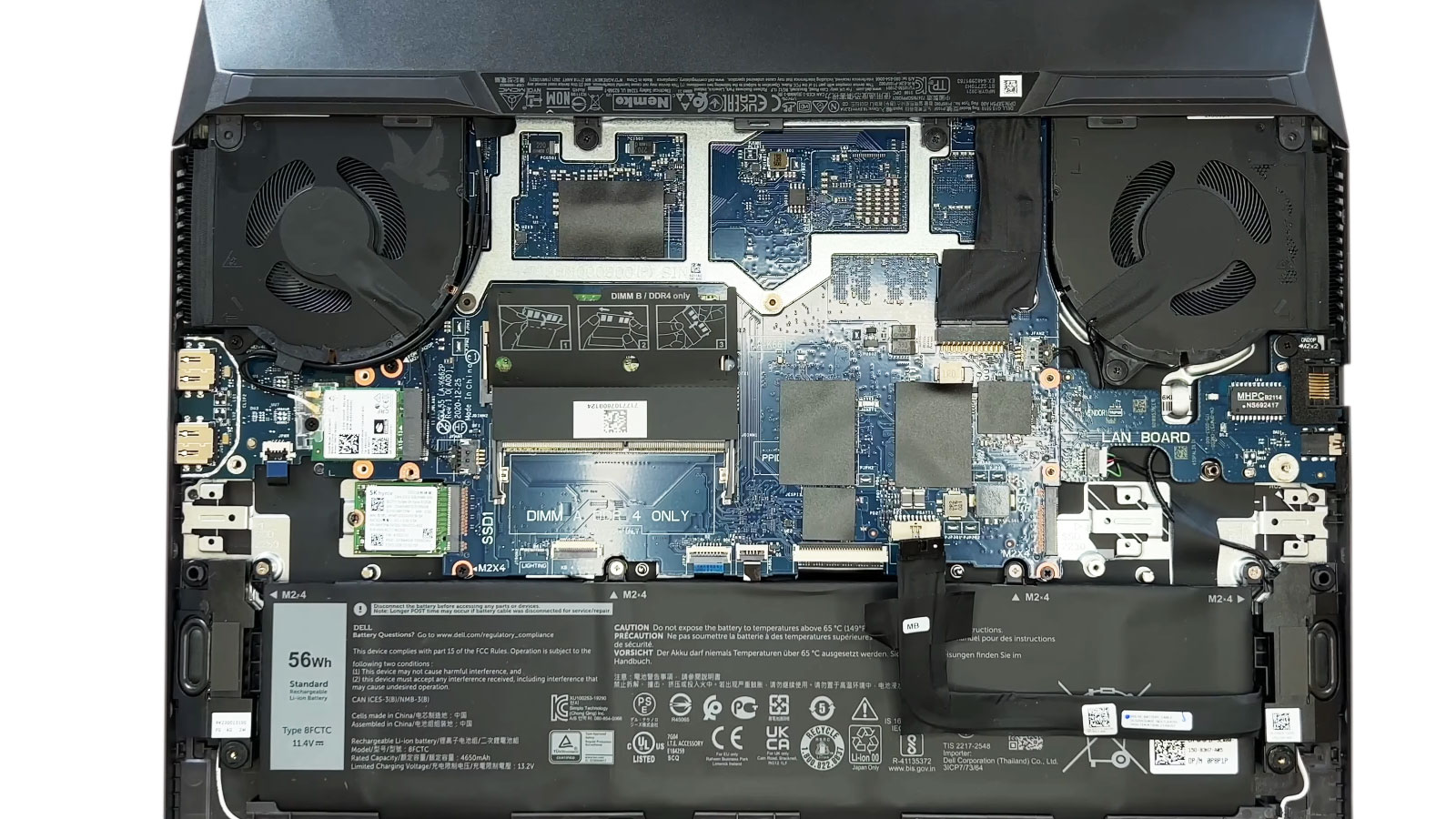
Sometimes the Transfer Needs to Bypass the Laptop
A laptop does not always need to remain fully operational for its files to be moved. If the computer shuts down unexpectedly, runs poorly under sustained activity, or has another problem that makes a large transfer impractical, accessing the storage independently can provide a more appropriate path.
Removing the SSD or hard drive separates the data source from the rest of the computer. The storage can then be connected through suitable equipment and the needed information transferred without depending on the original laptop to stay running throughout the process.
In some situations, creating a direct clone may be preferable to repeatedly working from the original drive. A clone creates another working copy of the source storage that can be used for subsequent transfer work while reducing continued reliance on the original device.
This approach is particularly useful when the goal is still data transfer rather than repair: move the information to its destination while adapting the method to the condition of the equipment it currently resides on.
The Destination Determines How the Transfer Should Be Handled
Moving data is not always about making an exact copy of one computer on another. Sometimes only personal files need to make the trip. Other situations call for preserving an entire drive, combining information from several locations, or moving data onto new internal storage without changing how the laptop is used.
When the destination is a new laptop, the useful information can be transferred into the appropriate user folders while leaving behind obsolete system files and unnecessary remnants from the previous installation. The result is a cleaner transition that brings the needed data forward without treating two different computers as though they must be identical.
A storage upgrade has a different objective because the laptop itself may remain unchanged. Depending on the situation, selected data can be moved onto the replacement SSD, or the existing storage can be cloned when preserving the current environment is preferable to rebuilding it from the beginning.
An external drive can serve as the destination when files need to leave an older laptop without immediately moving into another computer. This can be useful for archiving personal information, preparing a computer for retirement, or creating an accessible copy that can later be organized on a different system.
Important information sometimes exists across an old laptop, loose storage devices, previous backups, and other locations. A transfer can also be used to bring those files together onto a chosen destination, making it easier to identify duplicates, organize what remains useful, and reduce dependence on aging storage that is no longer regularly used.
A File Transfer Moves What You Choose
A conventional transfer focuses on the information that should arrive at the destination: documents, photographs, videos, work folders, archives, and other user data. The new storage does not have to reproduce everything that existed on the original drive.
This approach makes sense when moving into a different laptop, organizing files onto external storage, or starting with a fresh operating system while carrying forward the information that still matters. Unnecessary system files, temporary data, and remnants of old software can remain behind rather than following the user to the new environment.
A Clone Reproduces the Storage More Completely
Cloning serves a different purpose. Instead of selecting individual folders and files, the objective is to reproduce the source drive onto another storage device, including its partitions and broader disk structure.
That can be useful when replacing an existing SSD while preserving the current system environment or when another working copy of the source storage is needed before additional work continues. The destination must also be chosen with the source layout and amount of stored data in mind.
The right choice depends on whether the goal is to move the information itself or preserve the broader structure of the original storage.
Before the Original Storage Is Set Aside
Ready to Move Your Files to Their Next Destination?
Laptop data transfer service is available in Miami for moving important files to a new computer, replacement SSD, external storage, or another suitable destination. Whether the transfer can be completed directly or requires accessing the original drive separately, the method can be matched to the equipment and the information that needs to make the move.