
What Needs to Move?
A transfer may involve an entire user account or only selected documents, photos, project folders, settings, and other information. Establishing what belongs on the destination Mac helps define the transfer before anything begins.
Moving Your MacBook Pro Data Without Leaving the Important Parts Behind
Changing computers should not mean rebuilding years of digital information from memory. A properly planned transfer can move the material that matters from a MacBook Pro to another Mac while keeping the destination organized and usable.
The source and destination both matter. Available storage, macOS compatibility, user accounts, and the amount of information being moved can influence which transfer method makes the most sense.
Where Is It Going?
The destination may be another MacBook Pro, a desktop Mac, or separate storage when the files simply need to be relocated. Knowing where the information is going helps determine how it should be transferred and what needs to be prepared beforehand.
The Best Transfer Method Depends on Both Macs
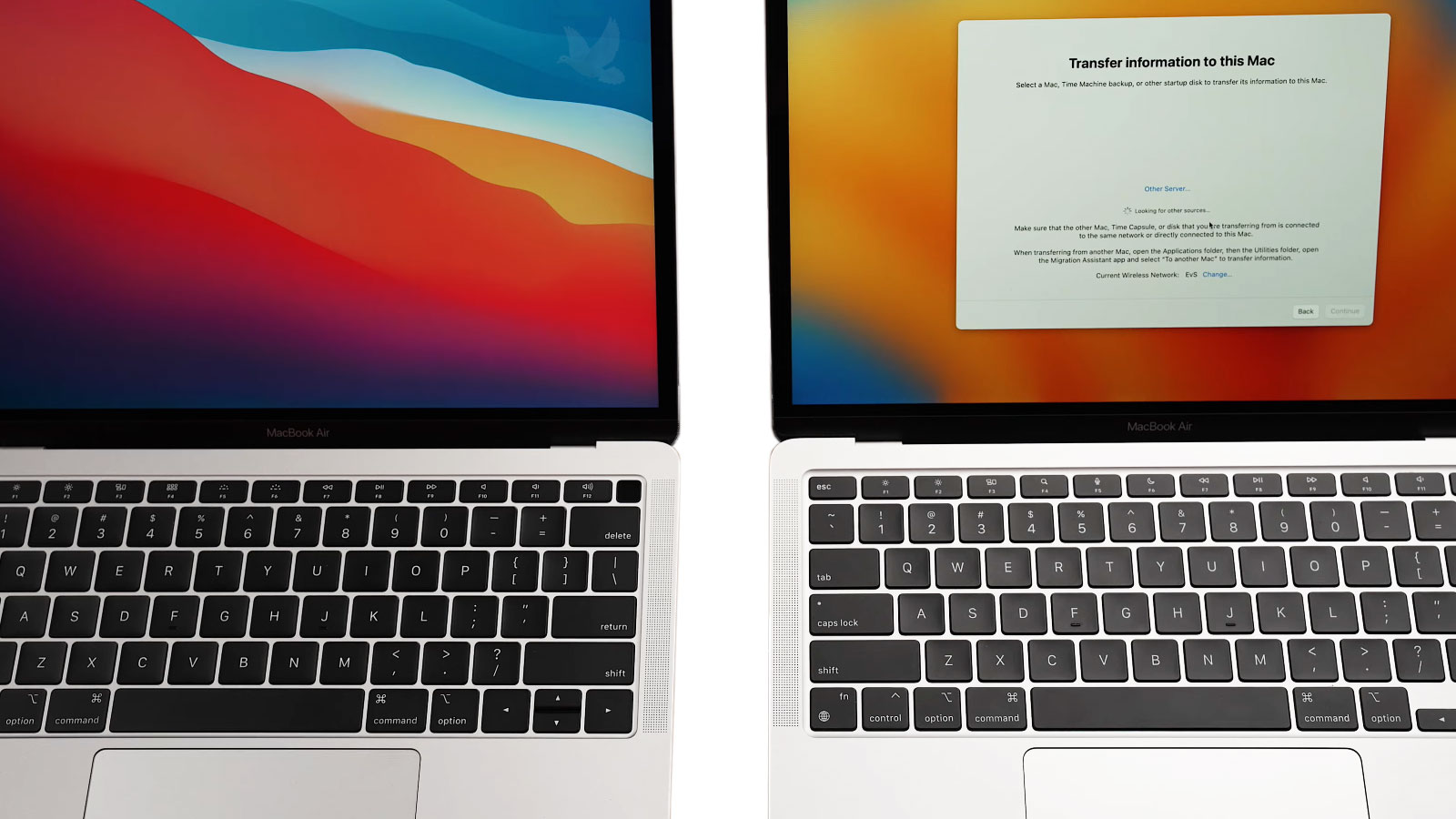
When the original MacBook Pro and the destination Mac are both available and operating normally, information can often move directly between them. This can be useful when the goal is to carry an existing user environment onto a replacement or upgraded Mac.
A direct migration is not always the only sensible route. Sometimes only selected files need to move, the destination already contains information that should remain undisturbed, or an external drive provides a more practical intermediate step.
Before beginning, it helps to consider the amount of data involved, available space on the destination, the macOS versions in use, and whether the goal is a broad migration or a selective transfer. Those details determine which route fits the situation rather than forcing every MacBook Pro through the same process.
Mac to Mac
For moving information directly from the MacBook Pro to another Mac.Direct Migration
When both computers are available, a direct migration can carry user information from the source MacBook Pro toward the destination without first treating the data as a collection of individual files.
Drive in Between
For situations where separate storage makes the transfer more practical.Staged Transfer
An external drive can provide an intermediate destination when information needs to be moved in stages, selected more carefully, or retained separately before it reaches the new Mac.
Available Space
The destination needs enough usable storage for the information selected from the MacBook Pro. Checking capacity beforehand helps avoid discovering partway through the process that the receiving Mac cannot accommodate everything intended for transfer without interruption.
Existing Accounts
A Mac that is already being used may contain established user accounts and files of its own. Those should be considered before introducing information from another MacBook Pro so the destination does not end up with unnecessary confusion between existing and incoming data.
macOS Compatibility
The source and destination do not necessarily need identical configurations, but their software environment can influence how information migrates. Checking both systems beforehand helps determine what can move normally and what may require separate attention afterward.
A Good Transfer Starts Before Anything Is Copied
It is tempting to connect the two Macs and immediately begin moving data, but the destination deserves attention first. A new Mac and an already-used Mac present very different situations, particularly when accounts, applications, and existing files are involved.
A few checks at the beginning can make the eventual transfer much easier to organize. The goal is not merely to move information from one device to another, but to have it arrive somewhere prepared to receive it.
Migration Assistant Can Move More Than a Folder of Files
When the goal is to carry an existing Mac environment onto another Mac, Migration Assistant provides a broader approach than manually copying individual folders. It can bring categories of information from the MacBook Pro into the destination system while keeping the transfer organized around the user rather than treating every item separately.
What should actually move can still be considered before the migration begins. A new Mac does not necessarily need every piece of information accumulated on the old one, particularly when the transfer is also an opportunity to leave unnecessary material behind.
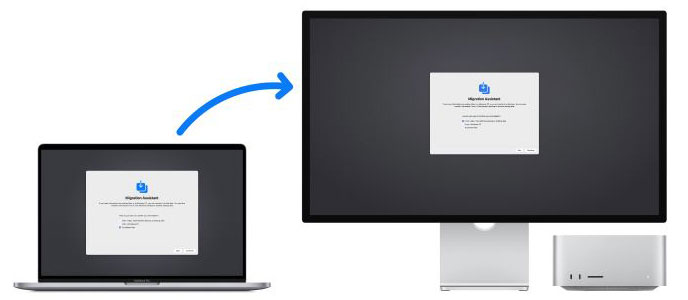
The destination should receive what is useful, not simply everything that exists on the source.
Check the Files
Important folders, documents, photos, and other expected information should be located on the destination rather than assumed to be there simply because the transfer finished.
Completion Is Not the Same as Confirmation
A successful transfer message tells us that the migration process reached its end. The more useful question is whether the destination Mac now contains the information the user actually expected to receive.
Opening the transferred account and checking important locations provides that confirmation. Documents can be located, familiar folders reviewed, and information that matters most can be opened from the destination rather than merely seen as a filename.
This step is particularly important before the original MacBook Pro is erased, repurposed, traded in, or otherwise taken out of regular use. Keeping the source unchanged until the transferred information has been checked preserves another opportunity to address something that may have been overlooked.
The goal is a usable destination, not merely a completed progress bar.
Check the Account
The transferred user account should open normally and provide access to the information expected from the original MacBook Pro.
Some Things Need Attention After the Files Arrive
A data transfer can bring a large part of the previous Mac environment forward, but the new Mac should not automatically be expected to behave identically the moment migration finishes.
Some items depend on accounts, authorization, compatibility, or services outside the files themselves. These are better checked separately once the transferred information is in place.
Applications that arrive through a migration may still need to be opened and checked on the destination Mac. Software compatibility can differ between systems, and an application that existed on the MacBook Pro should not automatically be assumed to operate identically on the new Mac.
Some applications and online services may require the user to sign in again. Passwords, account verification, or other authentication requirements can exist independently of whether the related application or files transferred successfully.
Licensed software may use activation rules tied to a particular computer or installation. When that applies, moving the application does not necessarily move its authorization, so the destination may require activation before the software is fully usable.
Printers, external drives, displays, and other equipment used with the MacBook Pro are not part of the transferred data itself. Their connection or setup on the destination Mac should be considered separately after the migration.
Keep the Source Available
The original MacBook Pro still has value after the transfer appears complete. Keeping its data unchanged for a little longer provides a reference if a folder, document, or other expected item cannot immediately be found on the destination.
There is little benefit in rushing to erase the source while the transferred environment is still being checked.
Let the New Mac Prove It Has What You Need
Retire the Old Setup Later
Once important files have been opened, the transferred account has been used, and anything requiring separate attention has been addressed, there is much more confidence that the destination can stand on its own.
Only then does erasing, repurposing, selling, or otherwise retiring the original MacBook Pro become the next separate decision.
From the MacBook Pro
Documents, photos, user information, and other selected data can be prepared for movement from the existing MacBook Pro while keeping the original source available until the transfer has been checked.
Move Your Data to Its Next Mac
MacBook Pro data transfer service is available in Miami when information needs to move to another Mac without leaving the process to guesswork. The transfer can be planned around the source, destination, amount of data, and the information that actually needs to make the move.
Free pickup and delivery are available within Miami when transporting the MacBook Pro and destination Mac for service is inconvenient.
Onto the Destination Mac
The receiving Mac can be checked after the transfer so important information is where expected and the new environment is usable before the original MacBook Pro is erased, traded, or retired.