
The Old Mac Does Not Have to Be the Final Home
A MacBook Air can still contain years of useful files even when the computer itself is being replaced. The objective is to move that information into its next usable location without leaving important material behind.
Moving Your Files Without Starting Over
Replacing a MacBook Air does not necessarily mean rebuilding everything from an empty computer. Documents, photographs, project folders, user information, and other files accumulated on the previous Mac can often move with the user to another Mac or an appropriate storage destination.
The way that transfer takes place depends on the two devices involved and what needs to make the move. A person replacing one working Mac with another may want a broad migration of familiar information, while someone preparing an older MacBook Air for retirement may only need selected folders and personal files preserved elsewhere.
Available storage capacity also matters. Before moving a large collection of information, the destination needs enough room for what is actually being transferred. Identifying the important material first can prevent unnecessary copying and make it easier to confirm afterward that the files that mattered reached their new location.
A well-planned transfer is therefore more than connecting two computers and waiting for a progress indicator. The destination, the amount of data, and the intended result all help determine the most appropriate way to move the information.
When Both Macs Can Participate in the Transfer
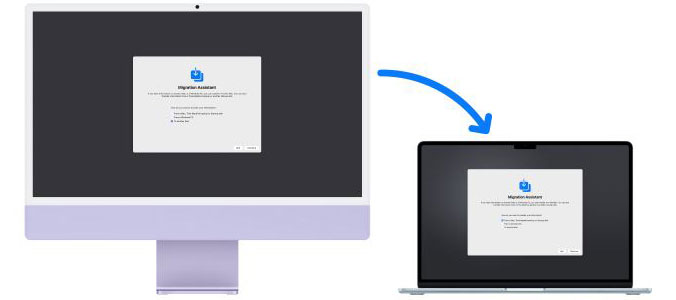
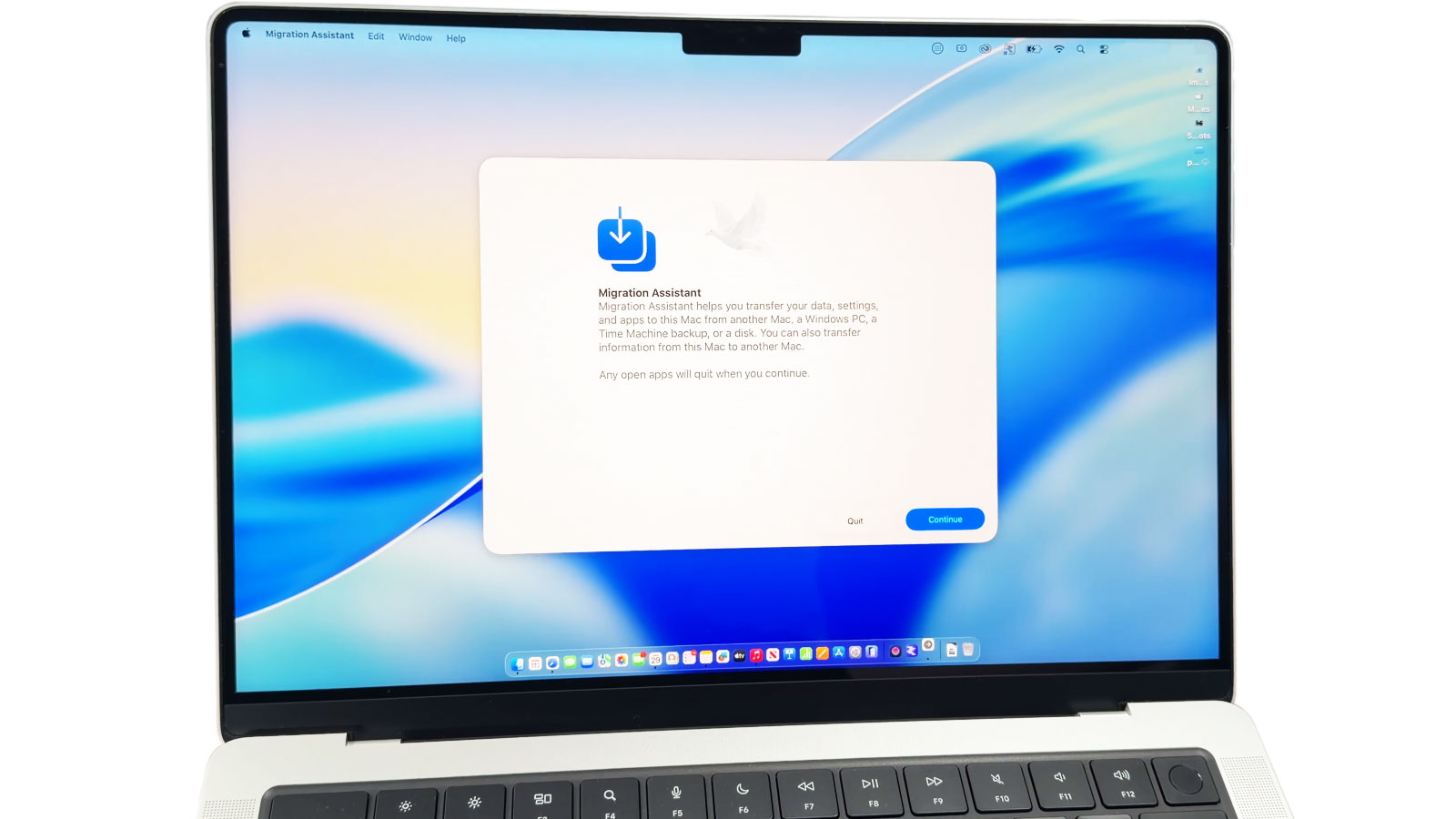
Moving from one usable Mac to another creates options that do not require handling the internal storage directly. Apple’s Migration Assistant can provide a structured way to move information from the existing Mac into the replacement system while keeping the transfer within the Mac environment.
What should make the trip still deserves consideration. A new computer may have different storage capacity, and years of accumulated material on the old MacBook Air may include files that no longer need to follow the user to the next machine.
The Source Still Matters
Before information leaves the MacBook Air, there should be a clear idea of what exists on it. User files, applications, settings, and other stored information do not all carry the same importance to every person.
A transfer is easier to evaluate when the material worth keeping has been identified rather than assuming everything accumulated over the years must automatically move.
A Direct Path From One Mac to the Next
Migration Assistant is designed around the transition from an existing Mac environment to another Mac, making it useful when the source remains available and the destination is ready to receive the information.
The New Mac Has Limits Too
The receiving Mac needs sufficient available space for the information being moved. A smaller internal drive can make a complete migration impractical even when the old MacBook Air contains considerably more data.
That is where selecting what belongs on the new machine can become more useful than treating the transfer as an automatic copy of everything.
Sometimes Only the Important Material Needs to Move
A complete migration is not necessary every time a MacBook Air is replaced. Starting with a cleaner system can be preferable when years of accumulated files, applications, and other material do not all belong on the next computer.
A selective transfer keeps the attention on information that still has value. Instead of reproducing the previous Mac as closely as possible, individual groups of files can be identified and moved according to how they will be used afterward.
Documents
Keep everyday files and important records ready for continued use on the new computer.Move What Still Matters
Work files, PDFs, spreadsheets, saved records, and personal documents can be transferred without bringing unrelated material from the previous MacBook Air.
Photos & Media
Large photo, video, and music collections deserve consideration before choosing where they will go.Plan Around Storage Space
Media libraries can occupy considerable space. Their size should be compared with the capacity available on the receiving Mac before deciding whether everything belongs on its internal storage.
Active Projects
Current work can receive priority when the files being used today matter more than older material.Bring Current Work Forward
Active project folders can be transferred first so frequently used material reaches the new destination without waiting for unrelated archives and older files to move with it.
Personal Archives
Files worth keeping do not necessarily need to occupy space on the replacement MacBook Air.Preserve Without Carrying Everything
Older material that still needs to be retained can be placed on an appropriate separate destination, keeping it available without consuming internal storage intended for current files.
The Transfer Does Not Always Have to Begin Inside macOS
Migration Assistant is useful when the computers and circumstances make a direct migration practical, but it is not the only way information can move from an older MacBook Air. Some generations contain removable storage that can provide another route to the files.
This can be useful when the objective is simply to move accessible information rather than reproduce the complete environment of the previous Mac. The storage can serve as the source while the required files are organized and copied to their intended destination.
Working from the storage also makes it possible to approach the transfer selectively. Instead of treating the entire previous system as one package, individual folders and collections can be handled according to what the owner wants to retain.
The destination might be another computer, external storage, or a temporary location used while a replacement system is being prepared. What matters is that the receiving location has enough capacity and is appropriate for how the information will be used afterward.
Once the required material has been copied, important files can be checked at the destination before the old storage is set aside. That provides a practical confirmation that the information needed from the previous MacBook Air has successfully made the transition.
When the Storage Is Accessible Separately
On MacBook Air generations with removable storage, the files do not necessarily have to make their journey through a conventional Mac-to-Mac migration. The storage itself can provide the source for a more targeted transfer.
A Smaller Drive Does Not Mean the Transfer Has to Stop
A replacement Mac may have less internal storage than the MacBook Air it is replacing. Even when the old computer still has plenty of free space, the amount of data already stored on it can exceed what the new machine can comfortably receive.
That does not automatically require removing important files. The better question is which information needs to remain immediately available on the new Mac and which material can live somewhere else.
Current documents, active projects, and frequently used files may belong on the internal drive, while older archives, large media collections, and material kept primarily for reference can be directed to separate storage. Dividing the information according to how it is used can make a transfer possible without forcing everything into one destination.
Available capacity should also leave reasonable working space after the move. Filling a new Mac nearly to its limit simply because the files technically fit leaves little room for future documents, applications, updates, and normal growth.
Planning around the destination therefore changes the transfer from a question of how much can be copied into a decision about where different information belongs.
One Transfer, Different Destinations
| Type of Information | Possible Destination |
|---|---|
| Current everyday files | New Mac |
| Active project folders | New Mac or working external storage |
| Large media collections | External storage when appropriate |
| Older archives | Separate storage for retention |
The goal is not to make every file follow the same route. It is to place each group of information somewhere that makes sense for how often it will be needed after the transfer.
The Original Data Should Stay Put Until the Move Is Confirmed
Seeing files on the destination is encouraging, but it should not immediately make the original MacBook Air disposable. The source still provides a valuable reference while the transferred information is being checked.
Folders can be compared, important documents can be opened, and photographs or project files can be sampled from their new location. This is especially useful when the transfer involved several user folders or a large collection of information that would be difficult to inspect item by item.
Applications deserve separate consideration because moving personal data and reproducing a complete software environment are not necessarily the same task. A file arriving successfully does not guarantee that every application, account, or associated setting will behave exactly as it did on the previous Mac.
Keeping the source unchanged during this period provides another opportunity to retrieve something that was overlooked. Only after the required information has been confirmed at its destination does it make sense to decide what should happen to the old MacBook Air and its storage.
A transfer is more meaningful when the result has been checked from the receiving side. Until then, the original MacBook Air remains the reference copy and should be treated accordingly.
The Transfer Should Lead to a Computer You Can Actually Use
Files arriving at their destination is an important milestone, but the transition is not necessarily complete at that moment. The replacement Mac still needs to make sense to the person sitting in front of it.
Frequently used material should be easy to locate, applications needed for current work may need attention, and accounts or services used on the previous computer may require access from the new one. Looking at the result from the user’s perspective helps turn transferred data into a practical working environment.
Familiar Files
Documents and active folders should be placed where they can be found without searching through an unfamiliar collection of transferred material.
Applications
Programs needed for everyday work may require installation, updating, licensing, or sign-in before their associated files are useful again.
Accounts
Email, cloud services, browsers, and other account-based tools may need to be connected again on the receiving Mac.
Organization
Separating active material from archives can keep the new computer from inheriting years of unnecessary clutter from the previous system.
First Use
Opening the files and tools needed for normal daily activity provides a practical test of whether the transition achieved its intended result.
The best result is not simply a second copy of the old MacBook Air. It is a destination where the information that still matters is organized, accessible, and ready for what comes next.
Ready to Move Your Data?
A transfer can be planned around the information that needs to make the move rather than forcing every MacBook Air through the same process. The source and destination can be evaluated first, then the appropriate method can be chosen according to the computers involved, available storage, and the intended result.
That may mean using Migration Assistant for a transition between Macs, transferring selected folders to a new computer, separating archives onto external storage, or working directly with removable storage when that provides a more suitable path to the files.
The original information can remain in place while the transferred material is checked at its destination. Once the files needed for continued use are accounted for, the old MacBook Air can be handled according to whatever comes next for that computer.
Free pickup and delivery are available within Miami. The MacBook Air can be collected with the transfer requirements established beforehand, then returned after the requested information has been moved and checked at its destination.