
When Something Changes
Slower performance, startup trouble, unexpected shutdowns, display problems, or hardware that no longer behaves normally can all signal that the computer needs closer attention.
Computer Trouble Can Start Small and Become Harder to Ignore
Computers used around Midtown Miami may support work, communication, entertainment, creative applications, business activity, or a combination of several different tasks throughout the day. When one of those systems begins acting differently, the most useful first step is understanding what has changed rather than assuming which component has failed.
A machine that still turns on can have a developing hardware problem just as easily as one that refuses to start. The symptoms, timing, recent changes, and overall condition of the computer all contribute to determining where the problem may actually be located.
What Needs Attention
The cause may involve a replaceable component, an internal connection, electrical circuitry, physical damage, cooling, storage, or another part of the system that requires testing rather than guesswork.
The Same Computer Can Serve Very Different Purposes Throughout the Day
In Midtown Miami, a laptop may move between home, an office, a shared workspace, and meetings, while a desktop may remain dedicated to a particular workstation or specialized task. How a computer is used affects which parts of the system are placed under the greatest demand and which problems become noticeable first.
A machine used primarily for documents and communication may reveal a developing fault differently from one handling graphics, large files, multiple displays, or demanding applications. Understanding the normal workload provides context for judging what has changed when performance or reliability begins to decline.

Frequent Movement
Portable computers that move between locations are repeatedly connected, disconnected, opened, closed, transported, and placed on different surfaces. That routine can make physical connections, charging behavior, hinges, and other mechanical conditions especially noticeable.
Fixed Workstations
A computer that remains at one desk may spend long periods operating with the same displays, storage, network equipment, and accessories. Problems can therefore become apparent through the way the complete workstation behaves during regular use.
Demanding Workloads
Systems performing heavier work may expose instability only when processing demands increase. A computer that appears normal during light activity can behave differently once applications begin placing greater demand on its hardware.
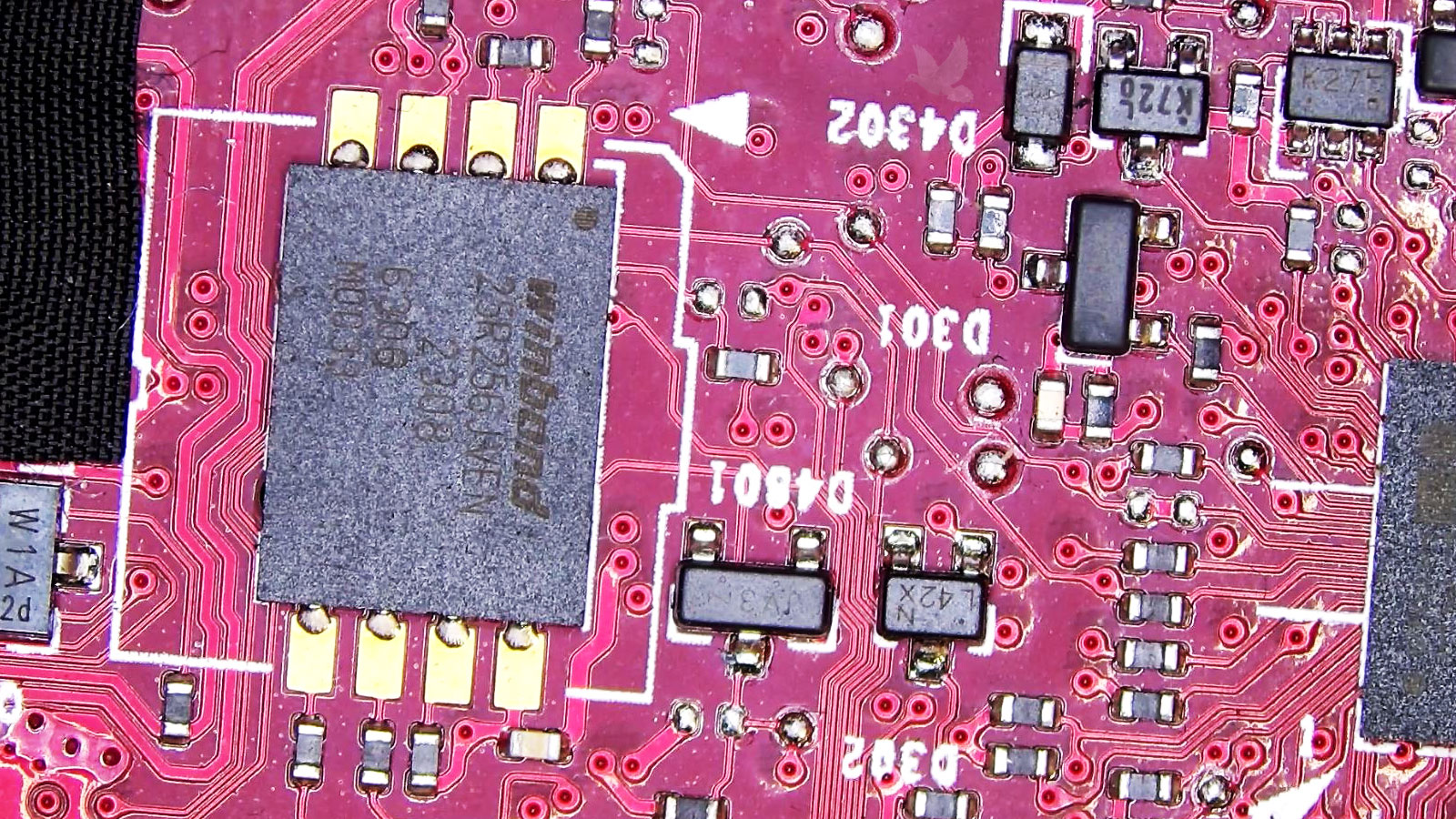
A failed circuit can involve the component, its connection, or the path carrying power or signals to it.
Sometimes the Failed Part Isn’t Where the Problem Began
Components on a motherboard depend on surrounding circuitry to receive power, exchange signals, and communicate with other parts of the computer. A component that is not operating correctly may therefore be defective itself, but it can also be affected by a damaged connection or an electrical condition elsewhere in the circuit.
This distinction becomes especially important when working with small board-level components. Replacing the part that appears abnormal does not resolve the fault if the electrical path supporting it is damaged or another component is creating the condition that caused it to fail.
Following the circuit beyond the most obvious point of failure can help establish whether the visible problem is the cause, the result, or only one part of a larger fault.
Where Startup Stops Can Provide an Important Clue
Turning on a computer is not a single event. The system moves through a sequence that begins with receiving power, continues through hardware initialization, and eventually reaches the operating system and the programs a person actually uses. A failure can interrupt that sequence at very different points.
Paying attention to how far the computer gets before something goes wrong can help separate problems that may initially look similar.
- 1
Power Begins: Fans, lights, charging indicators, or other activity can show that some power is reaching the system, even when the computer does not continue through startup.
- 2
Hardware Initializes: The motherboard begins bringing essential hardware into operation. A failure here may leave the machine powered but unable to progress normally.
- 3
The System Starts Loading: Once the initial hardware checks have progressed far enough, the computer can begin accessing the storage device and loading its operating environment.
- 4
The Desktop Appears: Reaching the operating system does not guarantee that startup is healthy. Freezing, errors, excessive delays, or crashes can still appear near the end of the process.
A Computer Can Work Normally Until a Particular Task Begins
Some computer problems remain hidden during ordinary use and appear only when a particular program or task places different demands on the system. That pattern can be useful because it provides a repeatable condition under which the failure occurs.
The important distinction is whether the problem follows the application itself or the type of work being performed. A crash that occurs while editing video, for example, may initially appear to be an application problem, while the underlying trigger could involve memory use, graphics processing, storage activity, or another resource being stressed at that moment.
| What Happens | What It Helps Establish |
|---|---|
| One program repeatedly crashes | Whether the failure closely follows a particular application or operation |
| Several demanding programs cause similar trouble | Whether increased hardware demand is the common factor |
| The problem disappears during lighter use | Whether the system becomes unstable only after certain resources are stressed |
| The same task fails repeatedly at a similar point | Whether the symptom can be reproduced under a consistent condition |
Sometimes the Problem Is Between Two Working Components
A computer contains numerous connections between components that have to remain mechanically secure and electrically reliable. Memory modules sit in sockets, storage devices connect through interfaces, internal cables join separate parts of the system, and removable components depend on clean contact with the motherboard.
A loose, contaminated, damaged, or poorly seated connection can interrupt that relationship without either component necessarily being defective. This can create symptoms that resemble a failed part even though the problem exists at the point where the hardware connects.
Examining those contact points can therefore be part of determining whether a component needs replacement or simply is not communicating reliably with the rest of the computer.
Connected does not always mean connected correctly.
Previous Work
Replaced parts, soldering, removed shields, altered wiring, or earlier attempts at repair can change what needs to be examined next.
What Happened Before the Current Failure Can Still Matter
A computer arriving for repair does not always remain in its original condition. It may have been upgraded, opened for cleaning, repaired previously, or examined by someone attempting to identify an earlier problem. Those changes become part of the machine’s history and can affect how a new fault is approached.
Evidence of previous work does not automatically mean that work caused the current problem. It does, however, provide useful context. A replacement component may have different specifications, a connector may have been disturbed during disassembly, or an earlier board repair may identify an area that deserves closer inspection.
Repair history is information, not automatically the explanation.
Useful History
Knowing what was changed, when the computer last worked correctly, and whether the present symptom appeared before or after previous work can provide valuable context.
Not Every Hardware Problem Begins With an Electronic Failure
Computers also depend on physical structures that are repeatedly handled, moved, opened, closed, and placed under mechanical pressure. Over time, wear or accidental force can affect parts of the machine even while its electronic components continue operating normally.
These problems are particularly noticeable in laptops, where the display, hinges, chassis, keyboard assembly, internal cables, and mounting points are all contained within a compact structure. Damage in one area can eventually place additional stress on another.
Wear Begins
A hinge may become noticeably tighter, a panel may begin separating slightly, or a connection may feel different during ordinary use. At this stage, the computer may still operate without an obvious electronic problem.
Small movement can be an early warning.
Stress Spreads
Continued movement can transfer force into mounting points, covers, cables, or nearby assemblies. What began as wear in one mechanical part can therefore start affecting surrounding pieces.
One weak point can place pressure on another.
Damage Becomes Obvious
Eventually the problem may appear as a loose display, separated casing, damaged hinge mount, displaced cable, broken plastic, or another condition that makes normal use difficult or unsafe for the hardware.
Waiting can turn wear into physical damage.
Storage Trouble Can Show Up Before Files Become Inaccessible
A storage device does not always move directly from normal operation to complete failure. Changes may first appear while the computer is starting, opening files, installing programs, saving information, or performing other tasks that depend heavily on reading and writing data.
Different Behaviors Can Point Toward the Storage Path
Before and After
When a problem begins immediately after a computer has been moved, that timing becomes part of the evidence.
A Computer That Worked Before Being Moved Deserves a Different Question
Relocating a desktop, transporting a laptop, rearranging a workstation, or simply disconnecting equipment for a move can introduce a clear dividing line in the history of a problem. If the computer operated correctly beforehand and behaved differently immediately afterward, the change in condition helps define where the investigation should begin.
Movement does not automatically mean that something was physically broken. A component can shift slightly, an internal or external connection can become less secure, or equipment may be reconnected differently at the new location. In other cases, an existing weakness may become noticeable only after the machine has been handled.
The Timing Creates a Useful Boundary
Knowing that the computer worked immediately before a particular event gives the investigation a reference point. What changed between the last normal use and the first abnormal use can often be more informative than looking at the current symptom in isolation.
How a Computer Is Built Can Change How a Problem Is Repaired
Computers can perform similar jobs while being constructed very differently inside. One system may use components that can be disconnected and replaced individually, while another may integrate several functions directly into the motherboard or into assemblies that must be handled as a complete unit.
Those differences become important after the failed area has been identified. Access to the component, the way it is mounted, nearby circuitry, available replacement parts, and whether the affected section can be serviced independently all influence what the repair actually involves.
Three Things That Can Change the Approach
The answer can determine whether the work involves replacing a separate component, repairing a particular area, or addressing a larger assembly.
When the Problem Needs More Than Another Restart
Computer problems do not always arrive as a complete failure. A machine may still start, run certain programs, or work normally part of the time while showing enough changes to indicate that something is no longer operating as it should.
Whether the problem involves a desktop or laptop, understanding what the computer is doing now and what changed beforehand provides a practical starting point for computer repair in Midtown Miami. From there, the condition of the hardware can be evaluated and the appropriate repair direction determined.